Delicious winter dishes in North India to drool over – try these 3 great recipes at home
ByTT Bureau
2022-12-05
Sarson ka saag and Gajjar ka halwa are two winter dishes which are favourites across India as regional cuisines that have gone to the top of the charts.
The popularity of these dishes is likely due to their warm comfort during the chilly winters. The flavours and textures of these dishes evoke nostalgia for many, making them top choices for family dinners during this season.
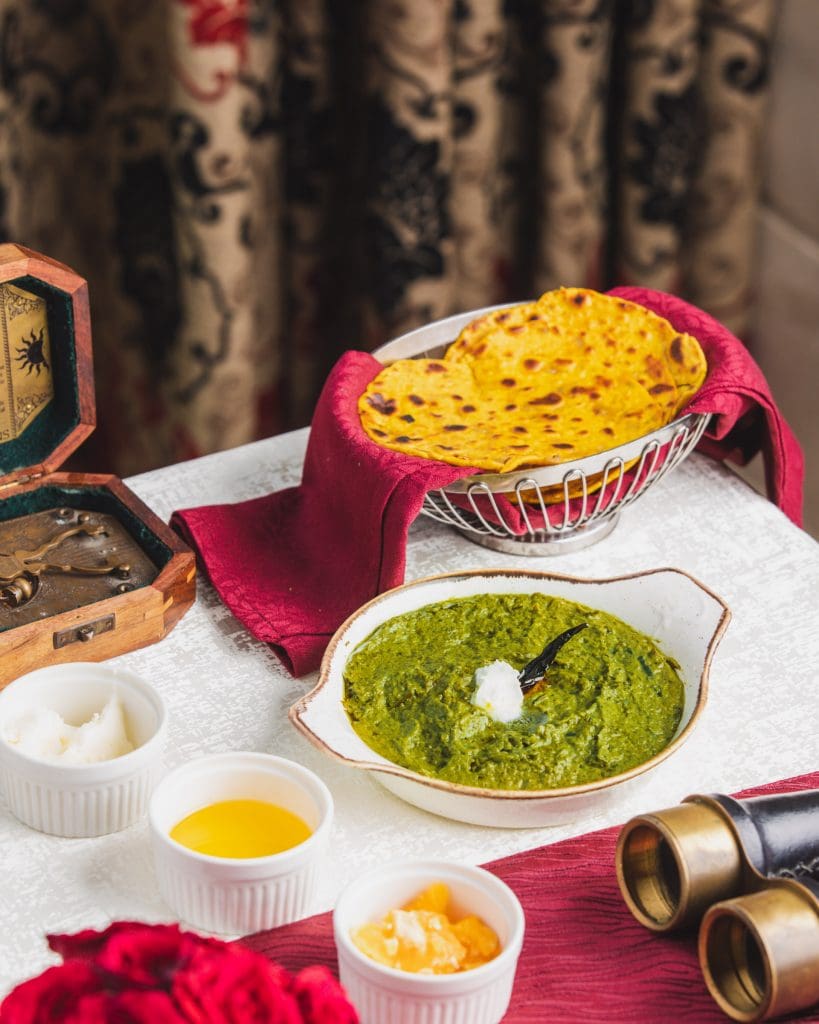
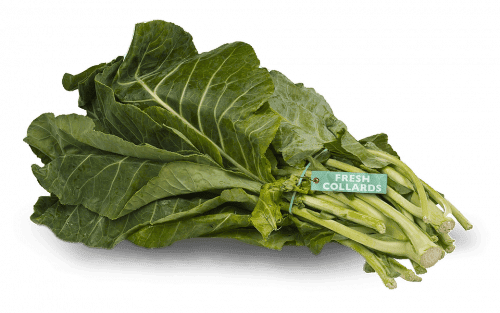
Sarson Ka Saag is made with mustard leaves, spices and other seasonal vegetables. The ingredients are all cooked together and then blended to get the desired texture. It is usually served with makki di roti, which is a special type of flatbread made from cornmeal.
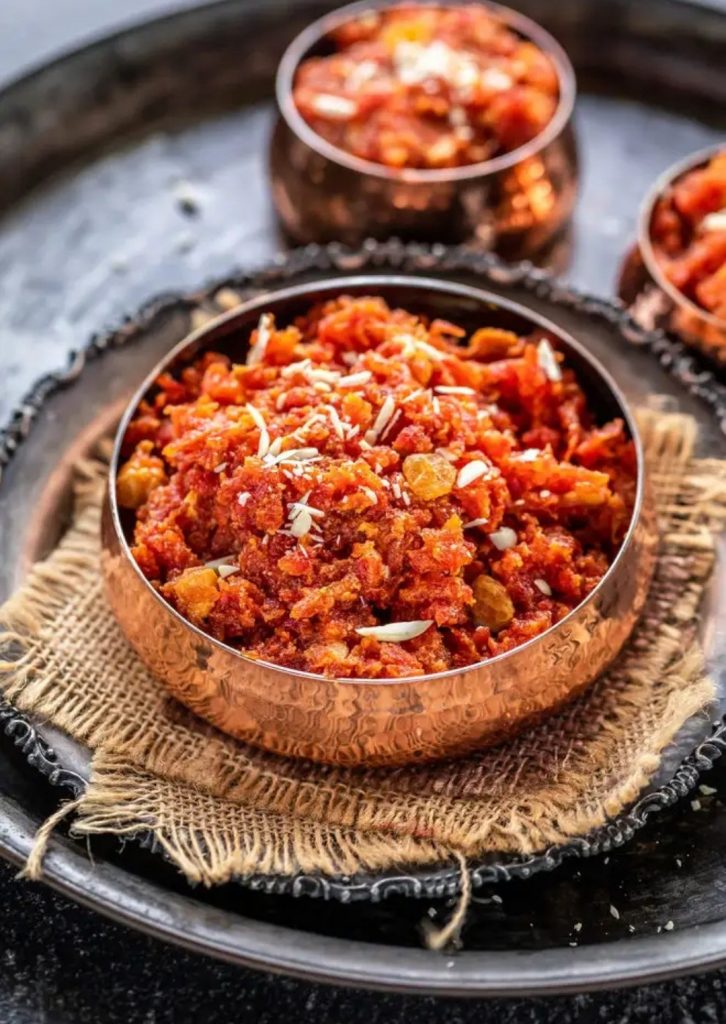
Gajjar ka halwa (carrot pudding) is also a popular winter dish. Carrots are grated and cooked in milk with cardamom, saffron and ghee. This is then cooked until the carrots are soft and blended together to form a pudding-like consistency. It is traditionally served hot with a sprinkling of dry fruits on top.
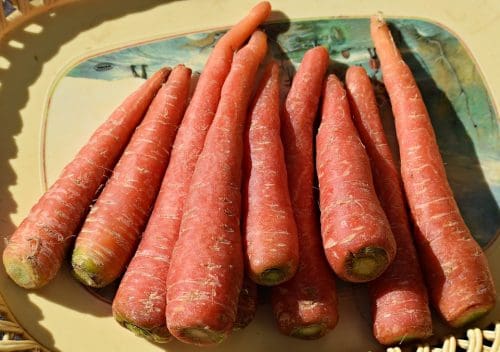
Both these dishes aren’t just popular in India but have caught the attention of food lovers across the world. Their warmth and flavours truly make them winter favourites!
Benefits of eating sarson ka saag and gajjar ka halwa
Sarson Ka Saag is filled with nutrients, vitamins and minerals. Consuming this dish regularly helps improve eyesight, heart health and boosts immunity.
Gajjar Ka Halwa is also nourishing. It has vitamins like A,B, C, and K, minerals like calcium and iron. Consuming this dish helps provide the body with important antioxidants that can help fight off illnesses. Additionally, it is a great source of dietary fiber.
Gajjar ka halwa is a higher calorie dish than Sarson Ka Saag as it contains a lot of milk and ghee. However, if consumed in moderation, it can provide the body with important nourishment and energy for functioning.
Overall, Sarson Ka Saag and Gajjar Ka Halwa are two deliciously comforting winter favourites that come packed with nutritional benefits too! So make sure to savour these dishes during this chill season and enjoy their warmth!
Gajjar ka Halwa recipe by Chefs at Hotel Sahara Star, Mumbai
Ingredients
- 750 grams Grated carrots (4 full cups of grated carrots)
- 1 liter Whole milk
- ¾ cup Sugar (around 150 grams)
- ¼ teaspoon Cardamom powder
- ¼ cup chopped almonds and chopped raisin
- 2 tablespoon ghee
- Instructions
- Peel and grate the carrots using a hand grater or food processor (use the thicker side/blade). Keep it aside.
- Now heat 1 tablespoon ghee in a heavy bottom pan. Add almonds and raisins, and sauté for a few seconds. Take it out on a plate.
- Add the grated carrots to the same pan (it’s ok if there is some ghee left in the pan) and turn the heat to medium-high.
- Stirring often, sauté the carrots for around 2 minutes.
- Now add milk. Stir well.
- Let the carrot and milk cook for about 30 minutes on medium heat. Make sure to stir in between. And keep an eye on it. Don’t leave the carrot halwa unattended.
- After 30 minutes, you will notice milk has reduced to half or a little bit more than half. Remember to stir very often else milk and carrot might get stuck to the bottom of the pan and burn.
- Continue to cook further. Keep stirring the halwa often on medium heat and cook until all the milk is absorbed by the carrots and it reduces to milk solids.
- You will see small particles of milk solids in the halwa. This will take anywhere between 10 to 15 minutes. Keep the flame medium to low.
- At this point add in the sugar. Once you mix in the sugar, the sugar will melt and the halwa will become very liquid.
- Continue to cook the halwa, stirring continuously until the sugar liquid is all soaked up. This will take about 10 to 15 minutes.
- Don’t let the halwa dry out a lot since it will continue to thicken as it cools down.
- Once that’s done, then add the roasted nuts, cardamom powder, and the remaining 1 tablespoon of ghee (or more if you want) and roast for 3-4 minutes. Stir continuously.
- Gajar Ka halwa is ready. Serve warm.
Sarson Ka Saag recipe by Chefs at Hotel Sahara Star, Mumbai
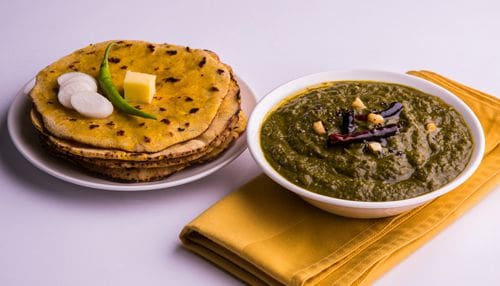
Instructions:
For Sarson Ka Saag:
Step 1: Chop and add all the three saags into a pressure cooker. Add salt and water and cook for 50-60 mins on a low flame
Step 2: Take out saag and keep saag water aside. Mash saag in the cooker until coarsely ground. Add Makki atta in the saag mixture and stir properly.
Step 3: Add the saag water back into the pressure cooker. Add green chillies and ginger and cook over slow flame until the saag gets thick. Keep it aside.
Step 4: To add tadka to the mixture, take a pan and add chopped onions, ginger, garlic, red pepper powder, Garam masala, dhania and sauté until the mixture turns light brown.
Step 5: Mix the boiled saag with the onion-ginger mixture and cook for another 3-4 minutes.
Step 6: Garnish with thin slices of ginger.
For Makke Ki Roti:
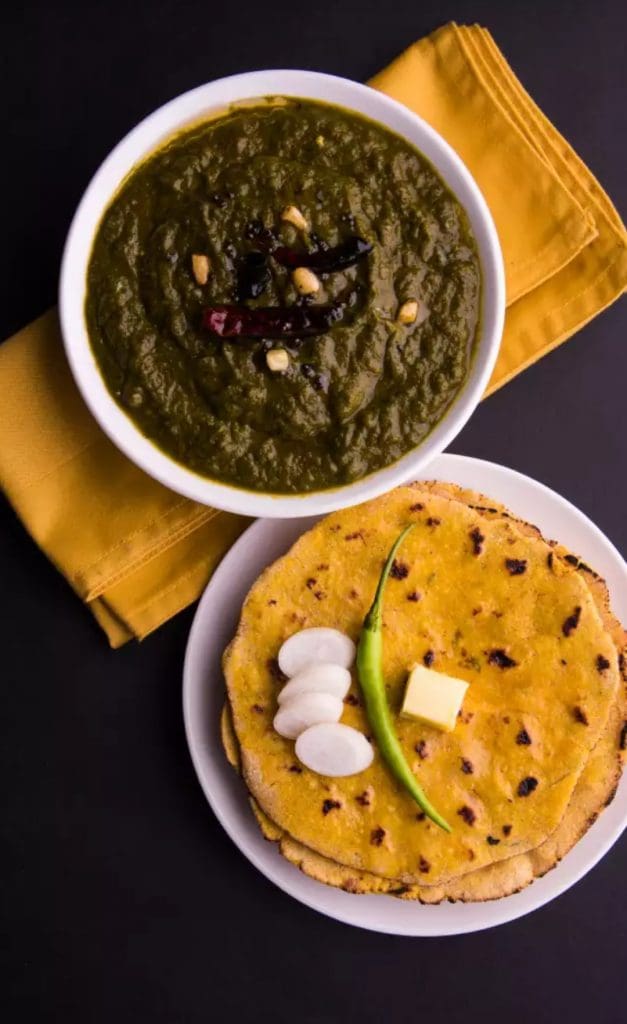
Step 1: Take makke ka atta (maize flour) in a vessel and add water.
Step 2: Take a large bowl and mix maize flour (makke ka atta), salt, and ghee. If the dough is too dry, add another 1-2 tablespoons of ghee and mix well. However, it is advisable to do it gradually so that the dough doesn’t end up too wet. After kneading for 5 minutes, brush the surface of the dough with a tiny bit of oil/ghee and cover with a damp tea towel/cling film to prevent drying up and rest the dough for 15 minutes.
Step 3: Divide the dough into equal portions and shape into balls. Press the dough balls slightly and roll out into rotis.
Step 4: Take a pan and add ghee and carefully transfer the rotis.
Step 5: Cook with ghee till golden brown. Flip the side and let it cook from beneath as well.
Step 6: Pour some ghee over the saag and garnish it with coriander sprigs.
Your Sarson Ka Saag with Makke Ki Roti is now ready to serve!
| Sarson Ka Saag | Makki Ki Roti |
| Mustard greens (Sarson saag) – 750 gms | Maize flour (makke ka atta) – 500 gms |
| Spinach (Palak saag) – 250 gms | Water – For kneading purpose |
| Bathua saag – 250 gms | Ghee – 100 gms |
| Water – 2 cups | Salt – As per taste |
| Maize flour (Makke ka atta) – 1 cup | |
| Green chillies – 4 | |
| Ginger – 25 gms | |
| Onions, chopped – 2 | |
| Garlic cloves – 6 | |
| Ghee – 100 gms | |
| Coriander powder – ½ tsp | |
| Red pepper powder – ½ tsp | |
| Garam masala – ½ tsp |
Read More: Latest