Embrace the Splendour: Traditional Weddings in Delhi with 10 alluring rituals
ByTT Bureau
2024-01-26
Traditional weddings in Delhi epitomize the city’s cultural splendour. These grand celebrations seamlessly merge age-old customs with contemporary opulence, creating unforgettable wedding experiences.
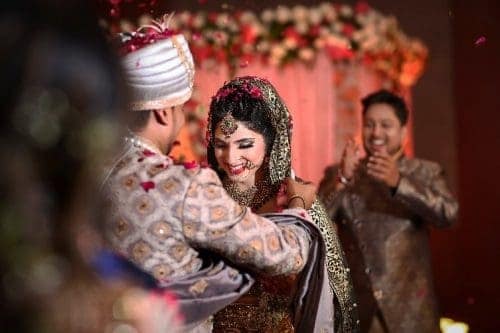
A Hindu wedding is a traditional and lovely ceremony. Hindu wedding festivities last about 3-4 days and are a lot of fun.
Pre-Wedding Rituals
- Roka Ceremony – Traditional Weddings in Delhi Start with the Roka ceremony as the first stage in the process of getting married. It’s almost like a formal invitation from the bride’s and groom’s families to marry each other. In a little ceremony, the families meet and exchange sweets. Before the joyful couple embarks on their future together, both families usually bless them.
Engagement Ceremony
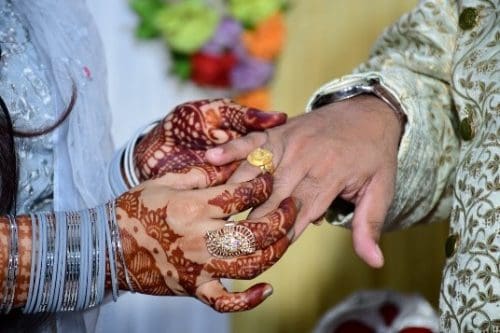
The period between a marriage proposal and the actual wedding is known as an engagement. A couple is said to be fiancés during this time. The bride and groom exchange rings in this ceremony, which takes place a few months before the wedding. Close friends and family members are invited to the ceremony to meet the families and rejoice.
Sagan And Tilak Ceremony
The male relatives of the bride’s family pay a visit to the groom’s house to apply Kumkum on his forehead, which is considered auspicious. People have become a little more affluent in recent years, and they now celebrate the occasion with music and dance. The Tilak Ceremony is considered the first step in solidifying the relationship between the two families.
Mehendi Ceremony
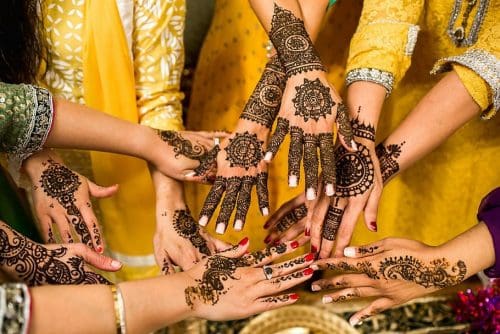
Mehndi, which is applied on the bride’s hands and feet a few days before her wedding, is regarded with happy spirits and good luck. According to some customs, even the groom gets a little mehendi on his hands and feet. The strong love between the pair is symbolised by the darkness of the mehendi colour on a bride’s hand. It also provides a cooling effect, which helps the bride and groom relax and forget about their wedding worries. Traditional melodies are sung as well as musical instruments such as the dholak and dhol are played during this ceremony.
Sangeet
A typical sangeet ceremony in traditional weddings in Delhi includes a lot of singing and dancing, and the bride and groom’s family work together to make the evening more entertaining. It is, without a doubt, one of the most anticipated and finest ceremonies of all time.
Haldi Ceremony
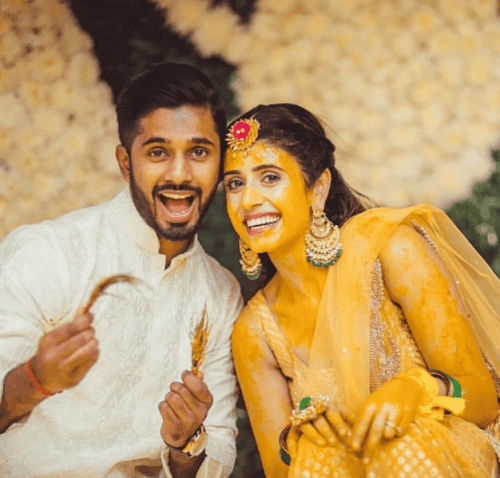
Before the wedding, the haldi ceremony is a sacred bath. In different places, it is known by different names, such as ubtan, mandha, and tel baan. In a traditional Hindu wedding, the bright yellow colour of Haldi is considered auspicious. It represents purity, fertility, and radiant health. On the morning of the wedding, married ladies apply turmeric on both the bride and groom. Before the wedding, the couple is said to be blessed with this concoction. The bride and groom are thought to be protected from evil by the colour yellow.
Wedding Rituals
The Baraat and dance ritual
As the baraat comprising of the groom’s family and close friends makes its way to the bride’s location, it becomes a moving celebration. The air is filled with the beats of dhol (Indian drums), and the baraat members, also known as the ‘baraatis,’ break out into impromptu dance moves. The atmosphere is one of sheer joy, with everyone from young children to the elders participating in the festivities.
The dancing in the baraat is spontaneous and high-spirited, reflecting the joyous nature of the occasion. It’s not uncommon to see choreographed dances, especially from the groom’s close friends and relatives, who take this opportunity to show off their dance moves. The procession becomes a symbol of happiness, camaraderie, and the celebratory spirit that Indian weddings are known for.
Upon arrival at the wedding venue, the baraat is warmly received by the bride’s family, marking the start of the wedding rituals. This lively procession sets the tone for the rest of the wedding festivities, promising a day filled with joy, dance, and celebration.
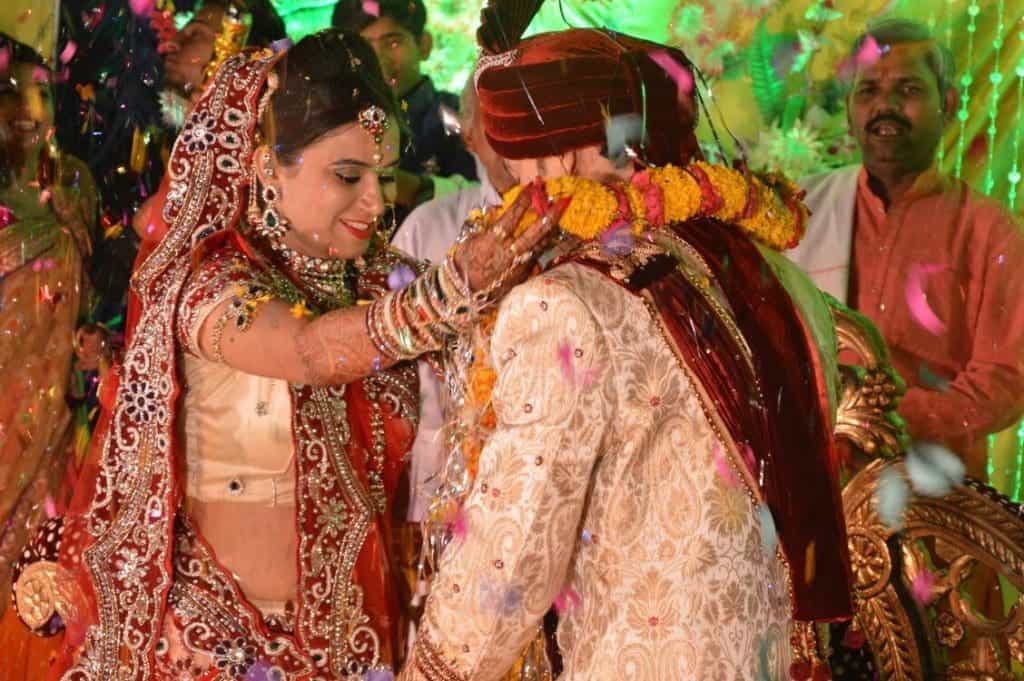
Varmala
The couple exchanges varmalas before taking seven pheras to make their wedding official in front of a priest and receive blessings from family elders at the main celebration. It is such a beautiful and quiet ceremony.
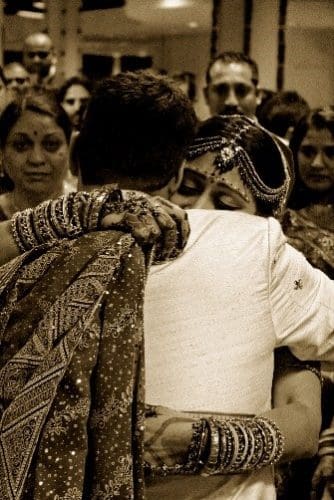
Vidaai
The vidaai ceremony is the final step in according to authentic Indian wedding traditions during which the bride’s parents wish their daughter and son-in-law farewell and bless the pair for the future. The bride’s parents are overjoyed for her and wish to bless her with all of their hearts and souls. As she leaves her home, the bride also throws rice behind her and expresses gratitude to her parents for providing her with such a good life. The bride’s brothers push the doli or automobile and bid their sister farewell.
Post-Wedding Rituals
- Griha Pravesh – Following the vidaai ceremony, the groom’s family welcomes the bride into her new house with griha pravesh customs, games, and celebrations. The bride is to use her right foot to tilt a Kalash Laden filled with rice, then walk into a dish with Alta and into her new home.
Wedding Attire
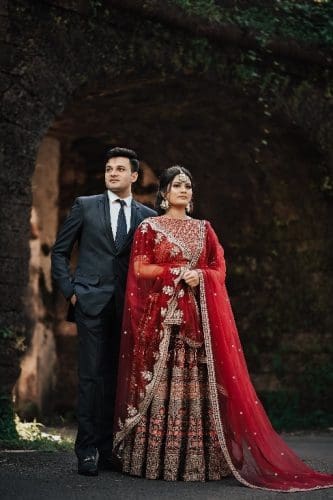
The Delhi Groom
A churidar with kameez (loose) trousers or a Western suit is worn by the groom. However, many modern grooms like to wear an ornate Mughal-style sherwani or kurta. The preferred hues are cream or off-white, with a lot of zari threadwork, beading, and stone adornment. He wears a dupatta over his neck as well. With the entire ensemble, he wears a traditional jooti or more modern loafers. He wears a headpiece with dangling flower strands, colourful ribbons, and even pearl strings that cover his face. Sehra is the name for this unique headpiece.
The Delhi Bride
On her wedding day, the bride loves to wear a red, maroon, or pink lehenga. There are no restrictions, and she is free to wear any colour she likes. The colours black and white are typically avoided.
Delhi’s bride epitomizes elegance and grandeur with her meticulously chosen bridal attires. At the heart of her wedding wardrobe is the iconic bridal lehenga, a masterpiece of craftsmanship adorned with elaborate embroidery, sparkling sequins, and dazzling gemstones that reflect the opulence of the occasion. These lehengas, often in vibrant hues of reds, pinks, or golds, are not just garments but a symbol of the rich cultural tapestry of Delhi.
In keeping with the grandeur of Delhi weddings, brides often have multiple outfit changes, each ensemble telling a story of tradition and modern fashion sensibilities. From the regal, heavily embroidered lehenga for the main ceremony to more contemporary and lighter outfits for other functions like the Sangeet or Mehendi, the bridal wardrobe is a blend of heritage and contemporary fashion.
These outfits are further accentuated with exquisite jewellery, ranging from heirloom pieces to modern designs, each adding a layer of splendour to the bride’s ensemble. A nose ring, or nath, is an important element of her solah shringar, alongside her regal attire and other items of jewellery.
The bridal look is completed with intricate makeup and hairstyles that complement the grandeur of their attire, making Delhi brides a splendid sight, embodying the essence of traditional beauty and contemporary elegance.
Food
At traditional weddings in Delhi, food is a captivating symphony of flavours and aromas. Elaborate feasts feature a diverse array of regional delicacies, from rich curries to delectable sweets, showcasing the city’s culinary heritage and hospitality.
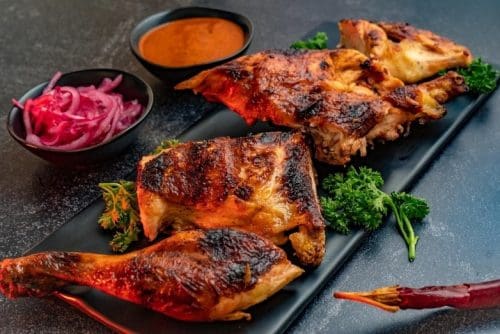
- Tandoori Chicken – Tandoori chicken, the Punjabi rendition of chicken wings, has a mouthwatering flavour that will make you drool. They’re made with hanging yoghurt that’s been combined with all kinds of Indian spices and then grilled before being presented in platters.
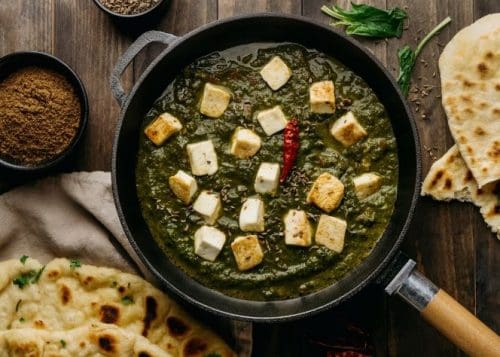
- Palak Paneer – Palak paneer is served in a nutritious rich creamy sauce with garlic, tomatoes, onion, and spinach. Before even being added to this decadent recipe, the cottage cheese cubes are toasted.
- Butter Paneer/Chicken – Its buttery texture is blended and cooked to perfection with onions, tomatoes, garlic, green chilli, and dry herbs. It’s usually served with rice or naan bread.
- Dal Makhani – This lentil meal is the pride of a Punjabi menu, and it has everything a dish needs, from taste to texture to luscious flavours, all rolled into one. Dal Makhani is typically served with Jeera Rice or Naan and is cooked overnight to bring out the greatest flavour.
- Chana Masala – Chana, commonly known as Chickpea, is prepared with a large amount of roasted tomatoes and other pepper spices, making it a hearty dish.
- Sarson Da Saag With Makki Roti – Mustard leaves and cornflour bread are used to make Sarson Saag and Makkai Roti, a delicious dinner. This mini-meal, made with a blend of wonderful Indian spices, keeps you warm in the winter thanks to its natural food features. This savoury is best served hot and fresh since it provides a lot of comfort.
- Atta Halwa – Roasted wheat flour is combined with sugar syrup and warm water to make this dish. It’s served with dry fruits on top once the texture has thickened into a pleasure.
- Dahi Bhalla – Dahi Bhalla, a sweet and spicy complement, is a must-have with every meal to bring out the flavours of the other meals. It has a cool temperature because it is made up of yoghurt and spongy lentil batter pieces. For flavour, they’re garnished with mint and tamarind chutney.
Traditional Indian weddings in Delhi are not just events, but a vibrant tapestry of culture, tradition, and grandeur. Each wedding is a testament to the rich history and diverse heritage of India, blending ancient rituals with modern elegance.
From the colourful pre-wedding ceremonies to the lavish wedding day itself, every moment is steeped in symbolism and splendour. As guests dance to the rhythm of dholaks and the air fills with the scent of marigolds and incense, one can’t help but be captivated by the allure of Delhi’s wedding celebrations. Whether it’s the opulent décor, the sumptuous feasts, or the heartwarming traditions, these wedding customs in India are a true embodiment of Delhi’s soul – vibrant, enchanting, and unforgettable.
Read more: Lifestyle, Weddings & Wellness