Kodaikanal Itinerary: 3 Slow Days of Lake Roads, Pines and Misty Views
ByTT Bureau
2026-07-24
A refreshing Kodaikanal itinerary to help you plan lake walks, cliffside viewpoints, pine forests, waterfalls, gardens and slow Palani Hills charm
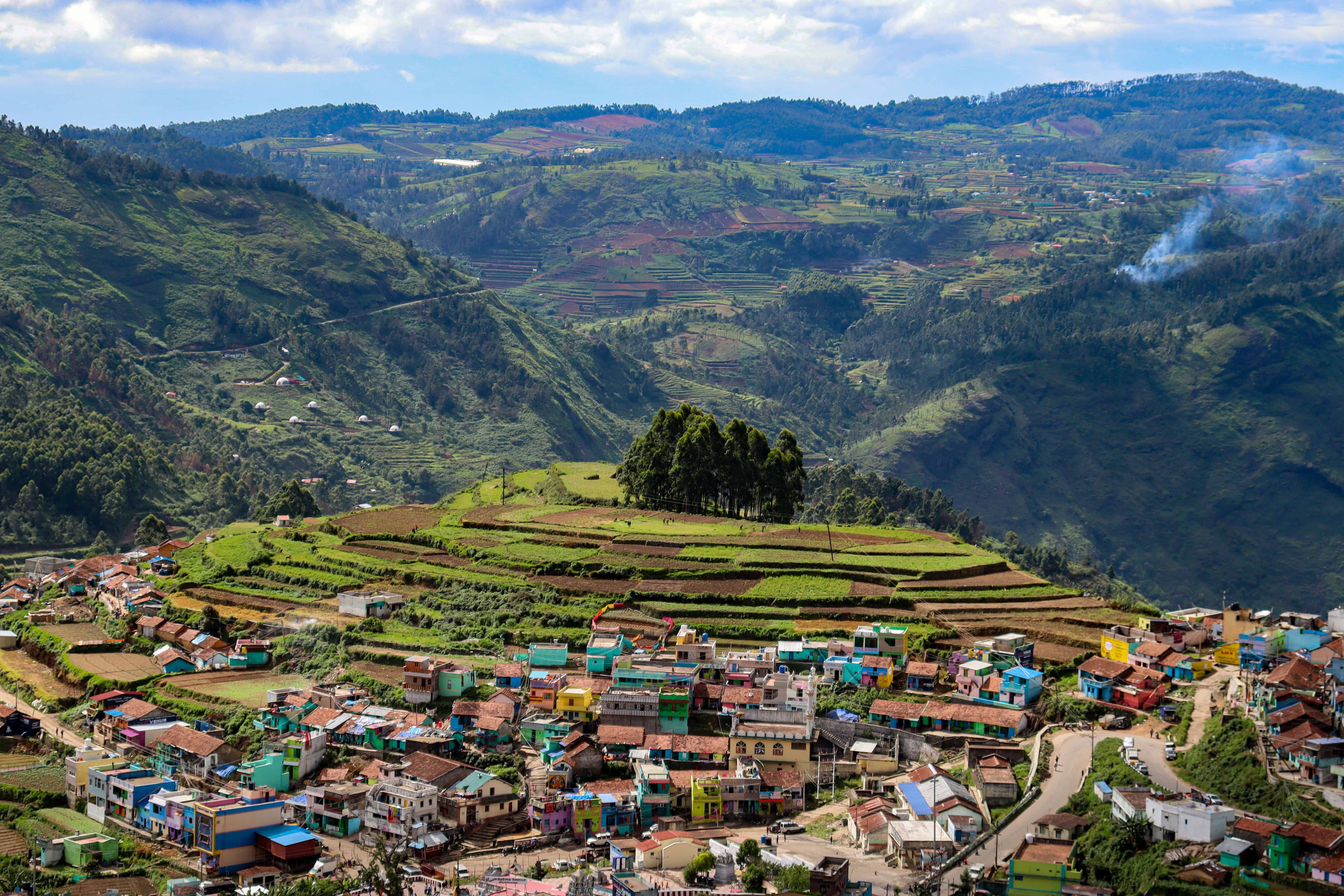
Kodaikanal feels gentler than many hill stations. The road climbs into the upper Palani Hills, the air cools, eucalyptus and pine begin to appear, and the town settles around a lake that gives the whole destination its easy holiday rhythm. The Dindigul district administration places Kodaikanal at about 7,200 feet above sea level and describes it as one of South India’s popular hill resorts in the Western Ghats near Madurai.
Kodai, as many travellers call it, is at its best when the plan leaves breathing room. A bicycle loop around the lake, a morning along Coaker’s Walk, hot corn near the market, sudden mist at Pillar Rocks, the dark tangle around Guna Cave, and the stillness of the upper forest roads all belong to the same experience.
A three-day Kodaikanal itinerary should be planned with that mood in mind. Keep the first day for the lake, Bryant Park and Coaker’s Walk. Let the second day move into the classic forest and rock circuit. Use the third day for a deeper choice: Berijam, Vattakanal, Dolphin’s Nose or an easier waterfall route.
Kodaikanal at a Glance
- State: Tamil Nadu
- District: Dindigul
- Region: Upper Palani Hills, Western Ghats
- Approximate elevation: 7,200 feet, or around 2,195 metres
- Nearest airport: Madurai, about 120 kilometres away
- Nearest railway station: Kodai Road, around 80 kilometres away
- Main arrival routes: Madurai, Dindigul, Palani, Coimbatore and Bengaluru side roads
- Recommended stay: Three days for a first-time trip
- Best general sightseeing season: October to March
- Summer appeal: April to June, with cooler weather than the plains but high tourist traffic
- Monsoon mood: June to September, with mist, rain, slippery paths and greener forests
The Kodaikanal Municipality identifies Madurai Airport as the nearest airport at about 120 kilometres and mentions Kodai Road as the railway access point, while government tourism listings also place the Kodai Road station at around 80 kilometres.
First, Understand the Shape of Kodaikanal
Kodaikanal is centred around the lake, but the wider experience spreads out across ridges, forests and viewpoints. A stay near the lake gives easy access to boating, cycling, Bryant Park, cafés and the market. This is the most convenient area for first-time travellers.
The cliffside side of town is different. Coaker’s Walk runs along the steep southern face of Kodai and was created by Lieutenant Coaker in 1872. It gives wide views towards valleys, plains and distant towns when visibility is clear.
The forest circuit begins once you move away from the lake. Pine Forest, Guna Cave, Pillar Rocks, Green Valley View, and Moir Point are often covered together because they lie on the same broad side of the sightseeing route. Some of these sites fall under forest or eco-tourism controls, so entry systems, tickets and access rules should be checked before travel. The Dindigul district site currently links to online ticket booking for Guna Cave and Pillar Rocks, and recent local reports also mention QR-code-based systems and entry regulation at forest-controlled spots.
When Kodaikanal Feels at Its Best
October to March: Cool Weather and Clearer Walks
This is the most comfortable period for a first Kodaikanal trip. The weather is pleasant, the lake area is easy to explore, and viewpoints such as Coaker’s Walk and Pillar Rocks have a better chance of opening up between spells of mist.
This season works well for families, couples and travellers who want a slower hill holiday without heavy rain. Evenings can be cold, so carry a light jacket or warmer layer.
What to expect:
- Comfortable sightseeing weather
- Good lake walks and cycling conditions
- Clearer morning views
- Pleasant café and market evenings
- Busy long weekends
April to June: Classic Summer Escape
Summer is when Kodaikanal becomes a major escape from Tamil Nadu’s hotter plains. Afternoons can be busy around the lake, but mornings and evenings are still ideal for outdoor plans.
Bryant Park is especially popular in this period, with the municipality noting its annual Flower Show in May and its reputation for flower hybrids, grafts and rare flowers.
Plan summer days like this:
- Start early for viewpoints
- Keep Bryant Park or cafés for mid-day
- Return to the lake in the evening
- Avoid peak traffic hours where possible
June to September: Mist, Rain and Green Forests
Monsoon gives Kodaikanal a softer, moodier personality. Forests look deeper, waterfalls become more active, and mist often floats across the roads. It can be beautiful, but it needs patience.
Rocky paths, viewpoint steps and forest tracks can become slippery. Clouds may also hide major views at Pillar Rocks or Coaker’s Walk. Keep plans flexible and carry shoes with a proper grip.
Carry during monsoon:
- Rain jacket or umbrella
- Shoes with grip
- Extra socks
- Warm layer for misty evenings
- Waterproof phone cover
- Buffer time between stops
Reaching Kodaikanal
By Road
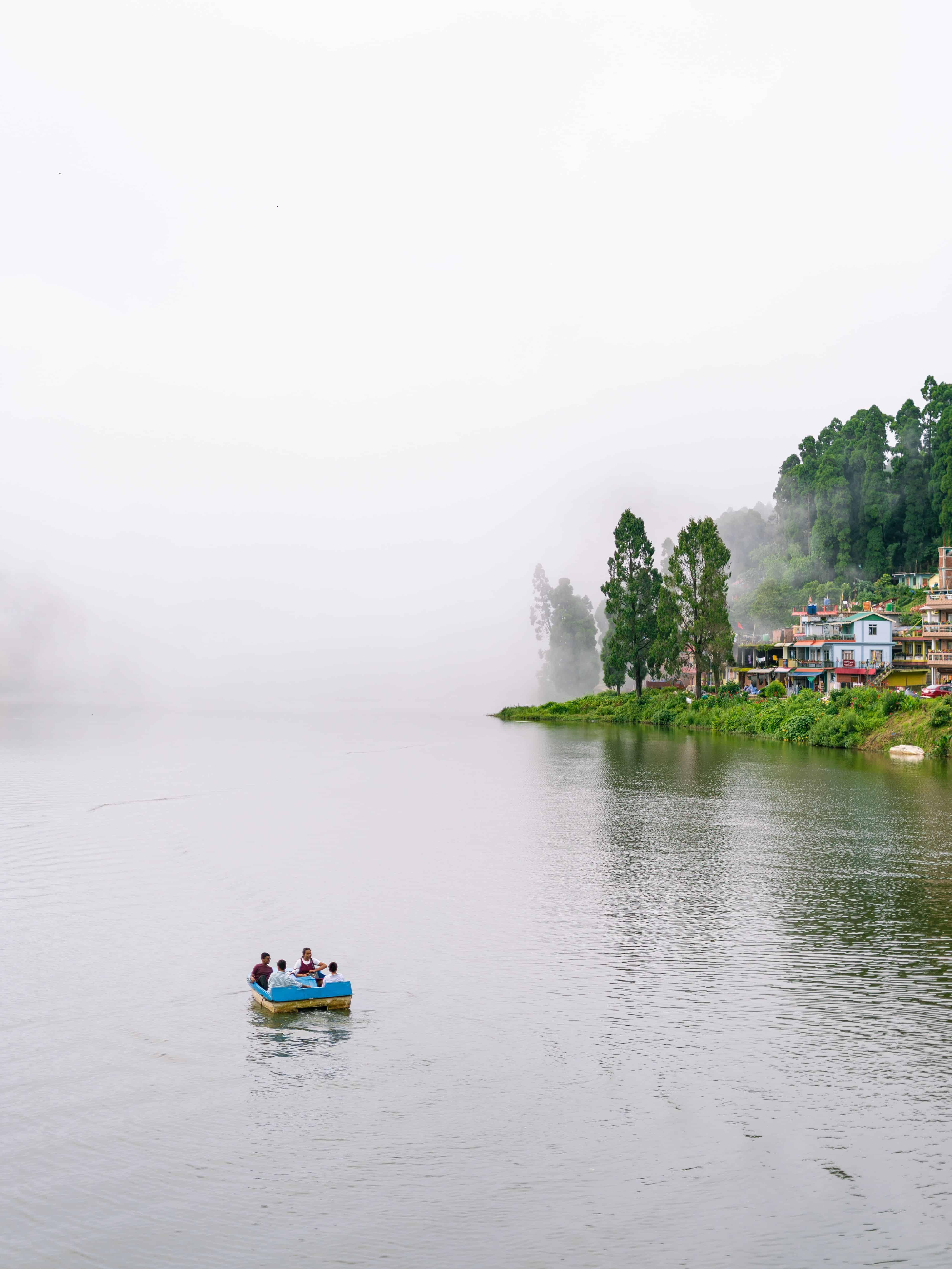
Most travellers reach Kodaikanal by road from Madurai, Dindigul, Palani, Coimbatore, Bengaluru or Kodai Road station. The final stretch climbs through the Palani Hills and can include sharp bends, slow traffic and mist.
Regular bus services connect Kodaikanal with important cities in Tamil Nadu, including Madurai and Dindigul, according to the Kodaikanal Municipality.
Useful Road Distances
- Madurai to Kodaikanal: Around 120 kilometres
- Kodai Road railway station to Kodaikanal: Around 80 kilometres
- Dindigul to Kodaikanal: Around 95 to 100 kilometres
- Palani to Kodaikanal: Around 65 kilometres
- Coimbatore to Kodaikanal: Around 170 to 175 kilometres
- Kodaikanal Lake to Bryant Park: Very close, usually walkable
- Kodaikanal Lake to Coaker’s Walk: Close to the central sightseeing area
- Kodaikanal town to Pillar Rocks: Around 7 kilometres
- Kodaikanal town to Berijam Lake: A longer forest road excursion, subject to access rules
Madurai Airport and Kodai Road station are the most useful official access markers, while the local forest and eco-tourism systems should be checked for restricted or ticketed sightseeing points.
By Train
Kodai Road is the nearest railway station used by many travellers. From there, taxis and buses continue uphill to Kodaikanal. Pre-arranged transfers are useful for families, late arrivals and travellers carrying luggage.
By Air
Madurai is the nearest airport, about 120 kilometres away. Coimbatore and Tiruchirappalli can also work depending on flight availability and the larger itinerary, but both involve longer road transfers.
Day One: Lake, Bryant Park and Coaker’s Walk
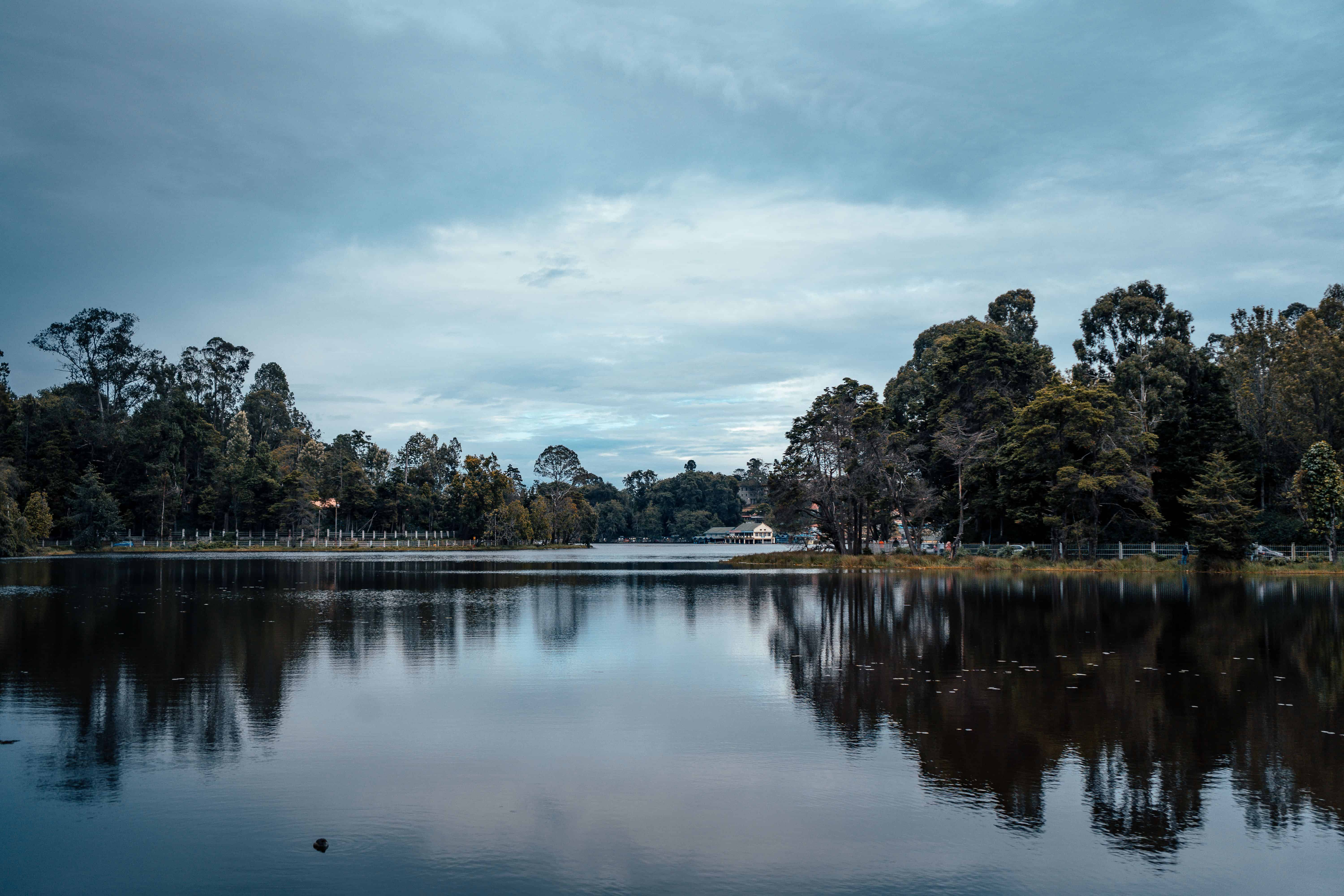
The first day should stay close to the centre. After the road climb, Kodaikanal is best entered slowly through its lake, garden and cliffside promenade.
Begin at Kodaikanal Lake
Kodaikanal Lake is the town’s natural anchor. Travellers come here for boating, cycling, horse riding, lakeside snacks and easy walks. The Dindigul district administration specifically mentions rowing in the lake, cycling and horse riding around it as part of the Kodaikanal experience.
Morning is quieter and better for photographs. Evening is livelier, with families, cyclists, snack stalls and boating activity giving the area its classic hill-station feel.
Easy first-day plan:
- Walk around the lake
- Take a boat ride if available
- Cycle part of the lake road
- Stop for tea or snacks
- Keep the pace relaxed
Continue to Bryant Park
Bryant Park sits near the lake and works well after a morning around the water. The municipality describes it as a famous park near the bus stand, known for flower hybrids, grafts, a glass house and rare flowers.
The park is especially good for families, flower lovers and travellers who want a soft, easy stop without another drive.
Walk Coaker’s Walk
Coaker’s Walk is one of Kodaikanal’s most rewarding short walks. The path runs along the southern edge of the hill and gives valley views when the weather is clear. The municipality notes that it was created by Coaker in 1872, while the telescope house allows wider views of the valley and nearby towns.
Go in the morning for clearer light or in the late afternoon for a softer atmosphere. During misty weather, wait a while before leaving; the view often opens and disappears within minutes.
Evening Around the Lake Market
End the day near the lake and market area. Kodaikanal’s central evening is simple: warm snacks, homemade chocolates, bakery stops, eucalyptus oil shops and slow walking. Keep dinner close to the hotel if you are travelling with family or arriving after a long drive.
Day Two: Pillar Rocks, Guna Cave, Pine Forest and the Viewpoint Circuit
The second day should cover the classic forest and viewpoint side of Kodai. Start early because this route can become crowded during weekends and holidays.
Start with Pillar Rocks
Pillar Rocks is one of Kodaikanal’s most recognisable sights. The viewpoint looks towards three tall rock formations rising dramatically above the forested slopes. Mist often moves through the gaps, making the scene appear and vanish quickly.
Because this is a popular stop, arrive early. Entry or ticketing systems may vary, so check current arrangements before the visit. The Dindigul district website currently highlights online ticket booking for Guna Cave and Pillar Rock eco-tourism sites.
Continue to Guna Cave
Guna Cave, formerly known as Devil’s Kitchen, became widely associated with Tamil cinema and is now one of the busiest stops on the forest route. Access is controlled for safety, and visitors usually view the cave area from designated sections rather than entering dangerous zones.
This stop is more about atmosphere than exploration: roots, mist, forest, fencing and the sense of a dramatic hidden landscape.
Walk Through Pine Forest
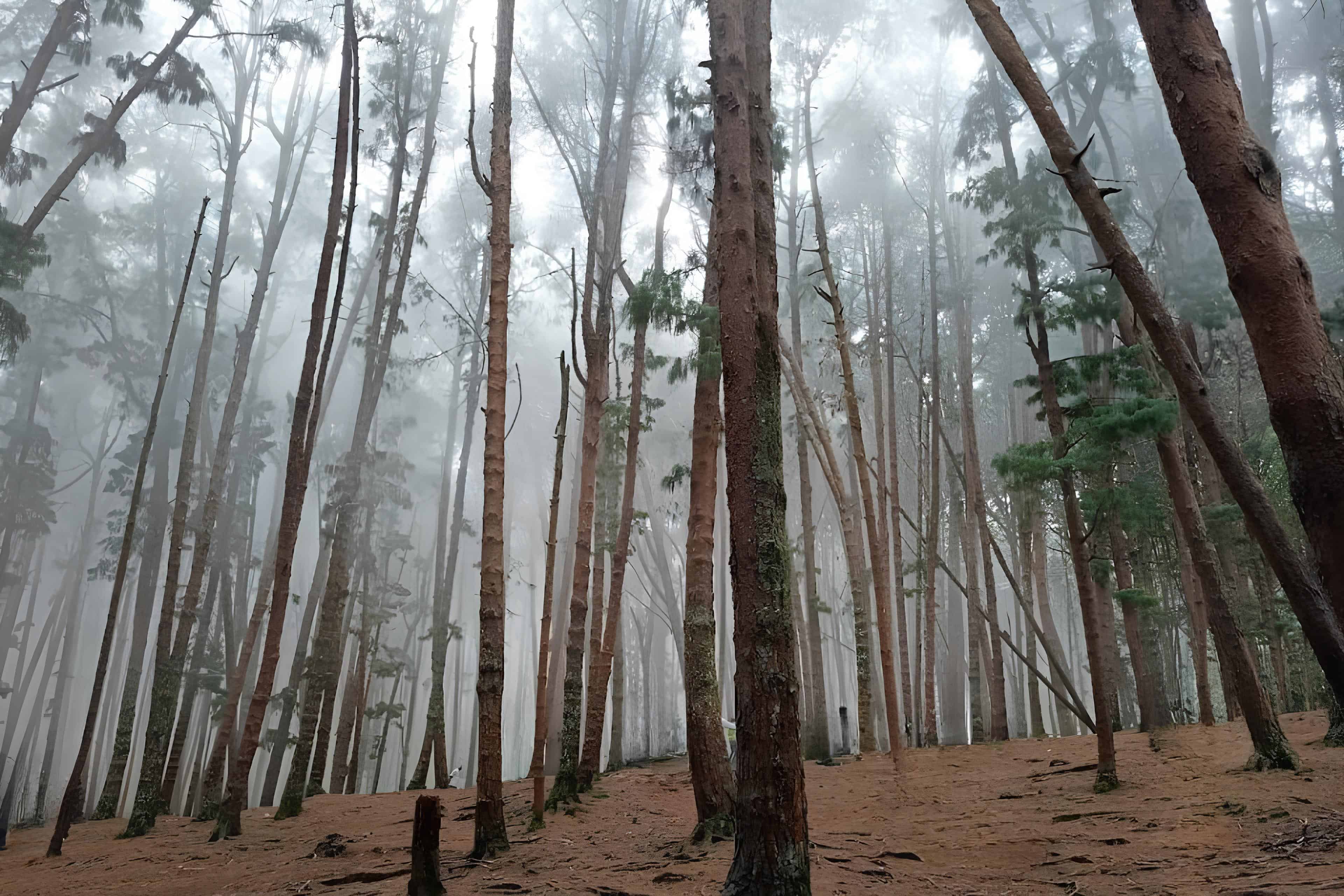
Pine Forest is a familiar Kodai scene: tall, straight trunks, soft light, photographs, film memories, and shaded walking paths. It is a good place for a slow stop between heavier viewpoints.
Avoid littering, climbing unstable slopes or walking too far from the visible visitor route. The forest is popular, but it still needs care.
Add Green Valley View or Moir Point
Depending on time and traffic, add Green Valley View or Moir Point. These are quick viewpoint stops, but their value depends heavily on visibility. On misty days, the experience may become more about the atmosphere than the view.
Suggested Day Two Flow
- Pillar Rocks early
- Guna Cave
- Pine Forest
- Green Valley View or Moir Point
- Lunch near town
- Rest or return to the lake by evening
Day Three: Berijam, Vattakanal or Waterfalls
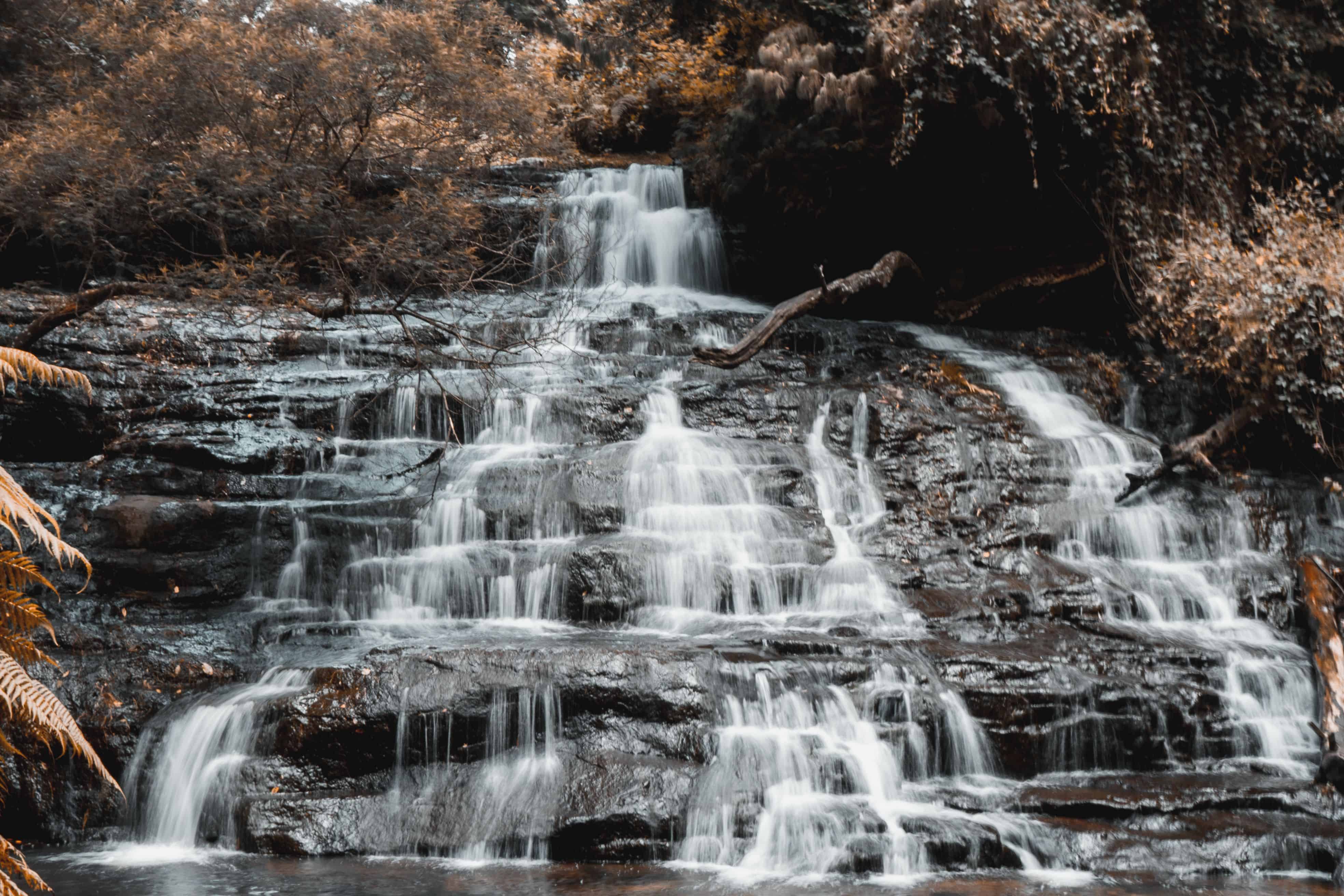
The third day should be chosen according to your travel style. Kodaikanal gives you three very different final-day moods: a forest-road excursion, a quieter café-and-walk neighbourhood, or a softer waterfall circuit.
Option One: Berijam Lake and the Forest Road
Berijam Lake is one of the most scenic excursions from Kodaikanal, but it is not a casual open-access stop. It lies on a protected forest route, and permissions or entry controls may apply. Always check the latest forest department rules before planning the drive.
This option is best for travellers who want a quieter landscape, forest roads and a less crowded final day. Start early, carry water and snacks, and return before evening.
Best for:
- Nature-focused travellers
- Couples
- Slower scenic drives
- Visitors comfortable with permit-dependent plans
Option Two: Vattakanal and Dolphin’s Nose
Vattakanal sits away from the busiest lake centre and has become popular for cafés, slow stays and walking routes. Dolphin’s Nose is the best-known viewpoint on this side, reached by a walk that requires proper footwear and care.
This plan suits younger travellers and active visitors more than families with small children or older guests. The path can be slippery in the rain.
Best for:
- Café hopping
- Short hikes
- Quieter stays
- Travellers who enjoy less polished hill neighbourhoods
Option Three: Silver Cascade, Bear Shola Falls and a Softer Day
For a gentler final day, choose waterfalls and easy local stops. Silver Cascade is often seen on the approach road and makes for a quick visit. Bear Shola Falls is seasonal and becomes more attractive after rain.
This is a better option when the group wants less walking or when access to Berijam is uncertain.
Best for:
- Families
- Short final-day plans
- Monsoon and post-monsoon trips
- Travellers who prefer easy stops
Choosing Where to Stay
Near Kodaikanal Lake
This is the most convenient base for a first visit. The lake, boating, cycling, market, cafés and Bryant Park remain close.
Works well for:
- Families
- Short stays
- First-time visitors
- Travellers without private transport
- Evening walks
The area can be crowded, especially in summer and on long weekends.
Coaker’s Walk and Central Ridge Side
This side is good for travellers who want views and central access without staying directly beside the busiest stretch of the lake.
Works well for:
- Couples
- View-focused stays
- Short walks
- Easy access to central sights
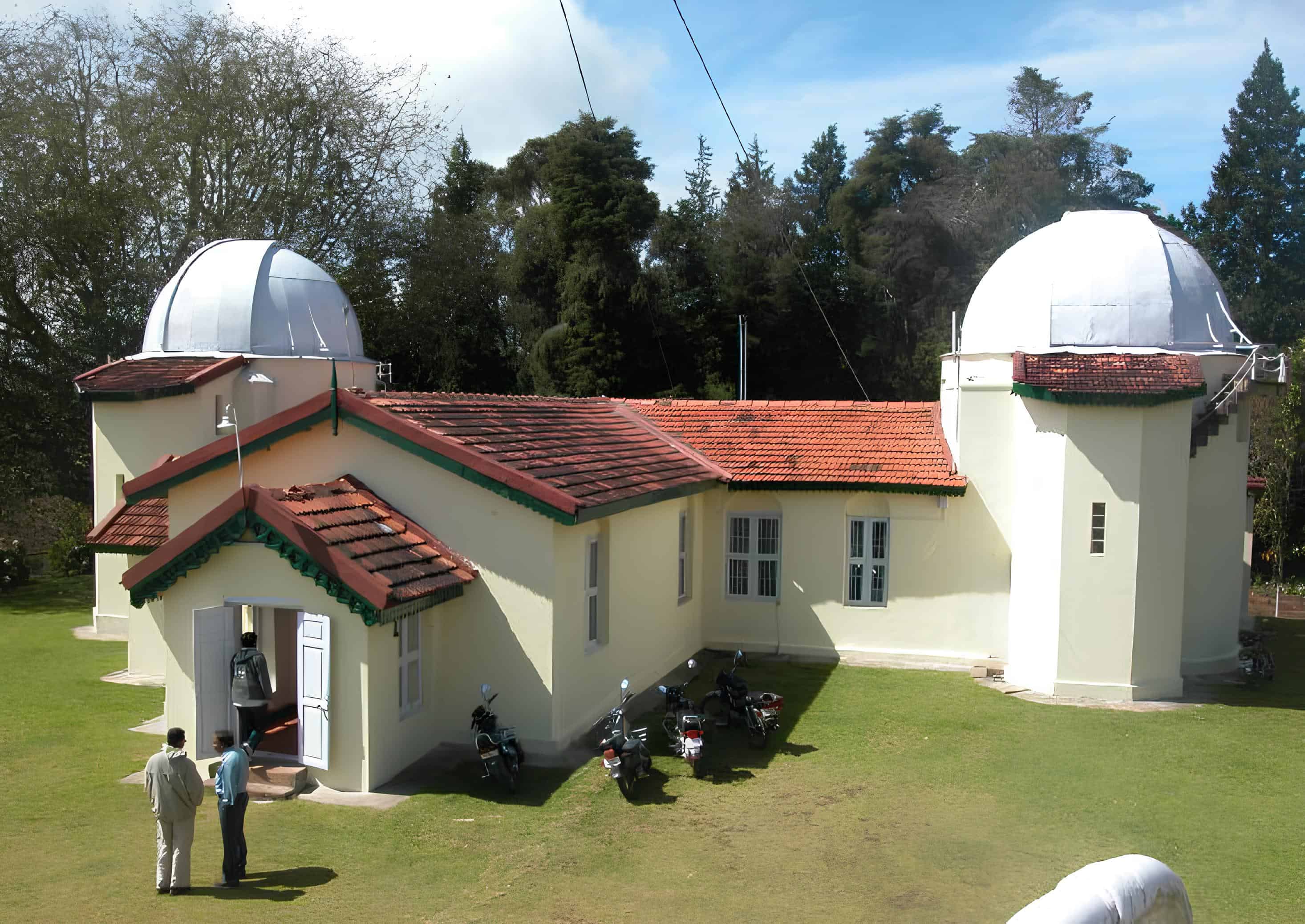
Observatory and Upper Residential Areas
These areas can be quieter, cooler and more residential, but they require taxis for lake activity.
Works well for:
- Longer stays
- Quiet holidays
- Travellers with private vehicles
- Guests who prefer calm over convenience
Vattakanal
Vattakanal suits travellers who want cafés, walking routes and a less mainstream Kodai experience.
Works well for:
- Younger travellers
- Café stays
- Short hikes
- Slower, quieter trips
Questions to Ask Before Booking
- Is the property near the lake, Coaker’s Walk, Observatory Road or Vattakanal?
- Can a taxi reach the entrance directly?
- Is parking available?
- Are there steep stairs inside the property?
- Is room heating or extra bedding available in winter?
- Are meals available at night?
- How far is the lake on foot?
- Does the hotel help arrange permissions for Berijam or the forest route?
- Is the approach road comfortable during the monsoon?
- Is there reliable mobile network coverage?
Before You Begin the Journey
- Keep the arrival day close to the lake
- Visit Coaker’s Walk when visibility is better
- Start the forest circuit early
- Check the current ticketing for Pillar Rocks and Guna Cave
- Do not treat Berijam as guaranteed without checking access
- Carry a light jacket even outside winter
- Wear shoes with grip for viewpoints and forest paths
- Keep monsoon plans flexible
- Avoid feeding monkeys or wildlife
- Carry cash for small local payments
- Expect traffic during summer and long weekends
- Choose a lake stay for convenience
- Choose Vattakanal or the upper areas for quiet
Kodaikanal works because it does not try too hard. Its charm sits in ordinary hill pleasures: a lake road, a cool bench, mist on a railing, pine shade, a garden path, a hot snack, a sudden valley view.
A three-day Kodaikanal itinerary should keep that rhythm intact. Let the lake introduce the town, let the forest circuit bring in the drama, and save the final day for whichever version of Kodai suits you best: Berijam’s protected stillness, Vattakanal’s slower edges or a simple waterfall route through the hills.
Read more – Discover Your India