Indian Cotton Dhurries: India’s Handwoven Heritage and 9 Regional Specialties
ByTT Bureau
2025-01-15
Indian cotton dhurries, integral to India’s handwoven heritage, are celebrated for their versatility, vibrant designs, cultural significance, and regional specialities from Jaipur, Panipat, Rajasthan, Uttar Pradesh, Gujarat, and Andhra Pradesh.
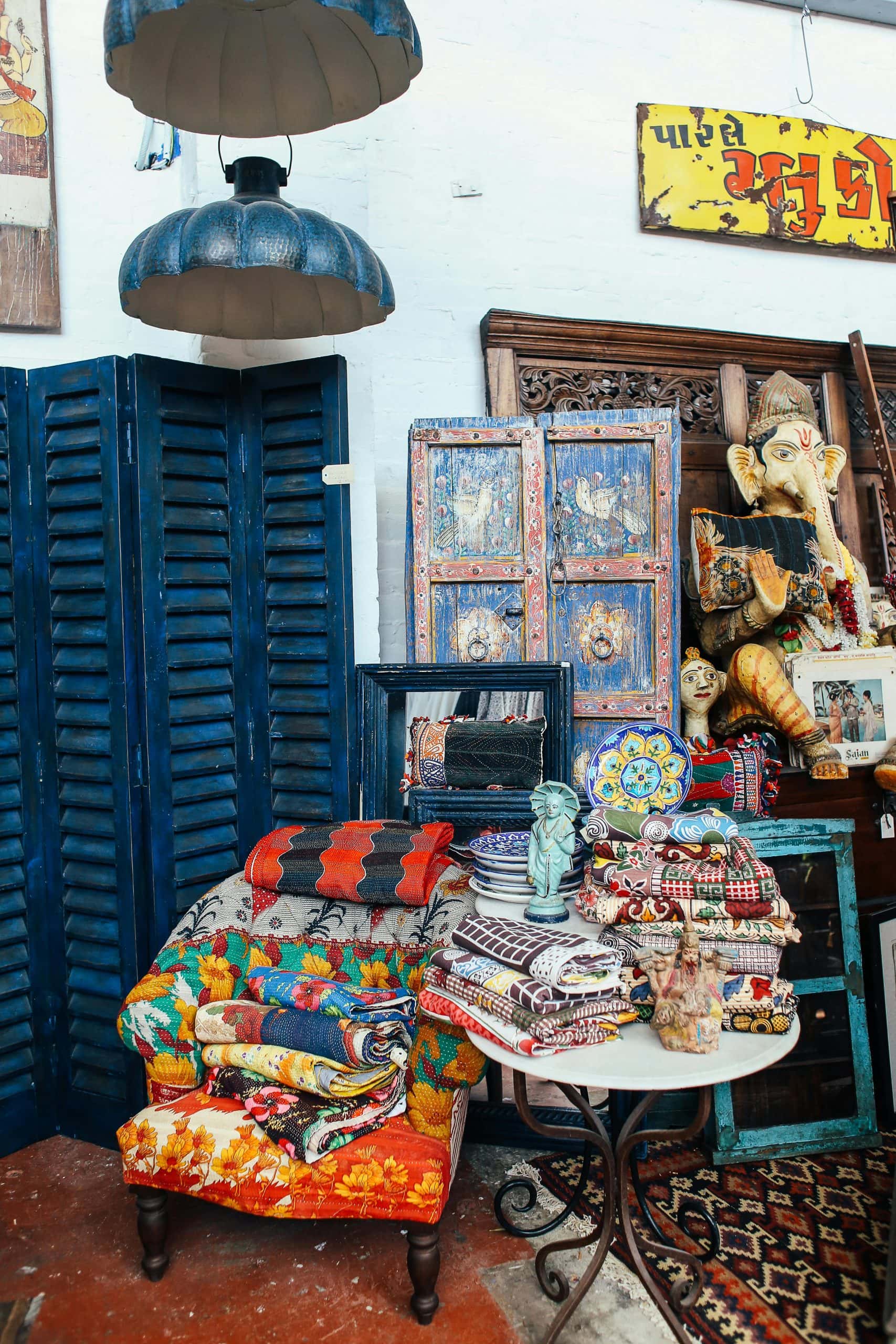
Traditional Indian rugs or thin flat carpets are an example of an item of home furnishings that is referred to as a dhurrie in India. This word may also be spelt dhurri, durrie, durry, or dari. Each Indian cotton dhurrie carries a one-of-a-kind design, often inspired by the region of its origin, with multicoloured stripes being one of the most common patterns.
Historically, weaving dhurries was a significant economic activity in rural India. Over time, it has evolved into a cherished tradition that not only supports livelihoods but also reflects India’s artistic heritage and cultural richness.
Cultural Significance of Indian Cotton Dhurries
Weaving dhurries has been an essential economic and cultural activity in rural India for centuries. This tradition has been passed down from generation to generation, bringing with it a rich decorative lexicon imbued with cultural meaning. Beyond being functional floor coverings, dhurries are seen as cultural artefacts that capture the artistic expressions of communities.
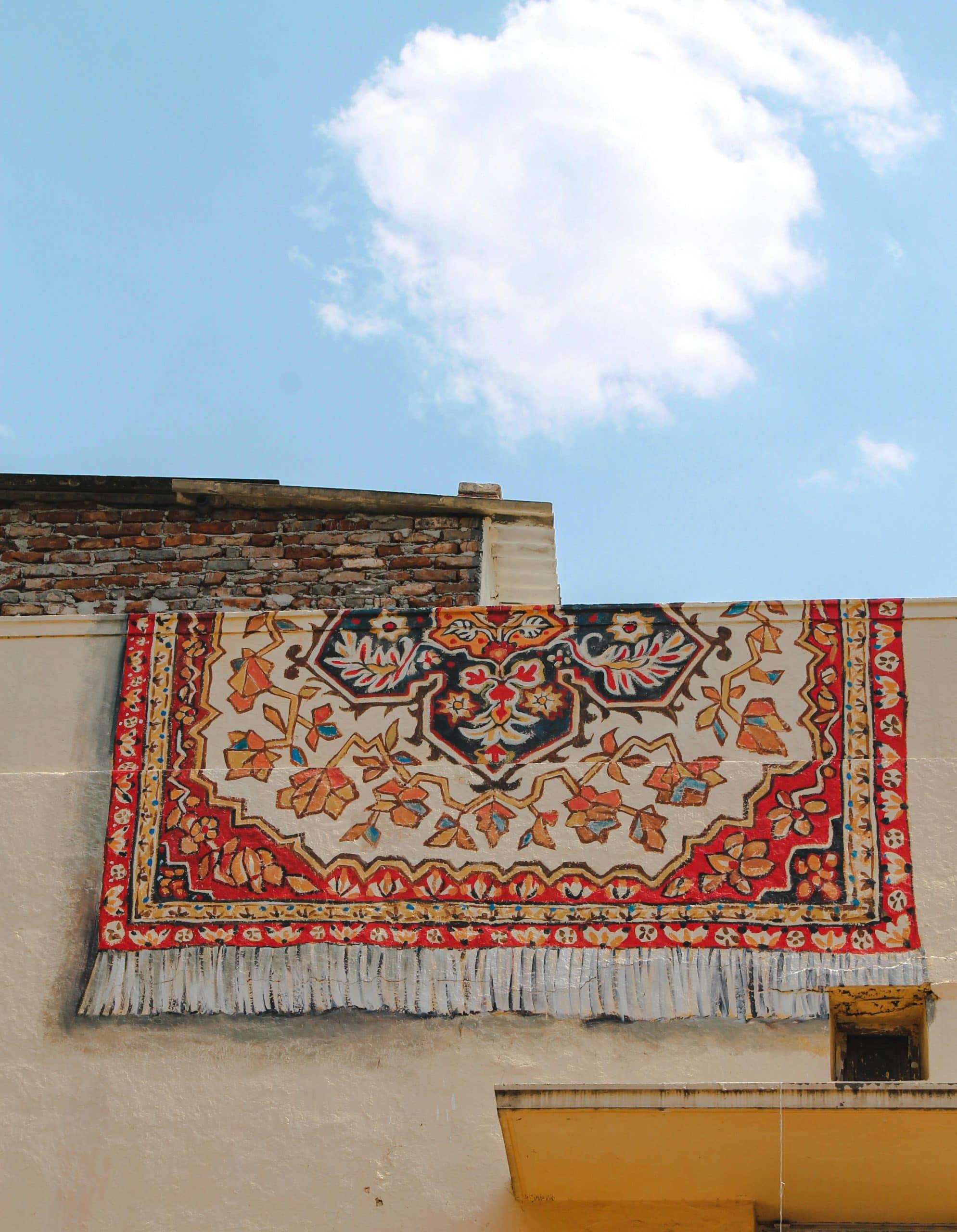
Patterns, colours, and designs are often inherited through families, serving not only as a medium of skill transfer but also as a traditional form of dowry. A dhurrie woven by a bride’s family, for instance, may carry motifs that tell a story or symbolise blessings and prosperity for the new household.
Historical Roots of Dhurrie Weaving in India
Weaving dhurries is an ancient skill, believed to date back several centuries. Originally, dhurries were crafted not only in India but also in neighbouring regions, including Burma, Pakistan, and Afghanistan. These handwoven rugs were traditionally used as floor mats, bed coverings, wall hangings, and even yoga or meditation mats. Their lightweight yet durable nature also made them popular as mattress covers. Over time, the use of dhurries has expanded, and they have become prized home furnishings across the globe.
The materials used to make dhurries contribute significantly to their versatility. Wool, silk, and cotton are among the most commonly used fibres, offering varying textures, warmth, and durability. Other materials like bamboo silk, banana leaf, cashmere, and alpaca have also been employed to create dhurries with unique properties. While some dhurries are soft and warm to the touch, others are smooth and cool, catering to different climates and preferences.
Materials Used in Crafting Indian Cotton Dhurries
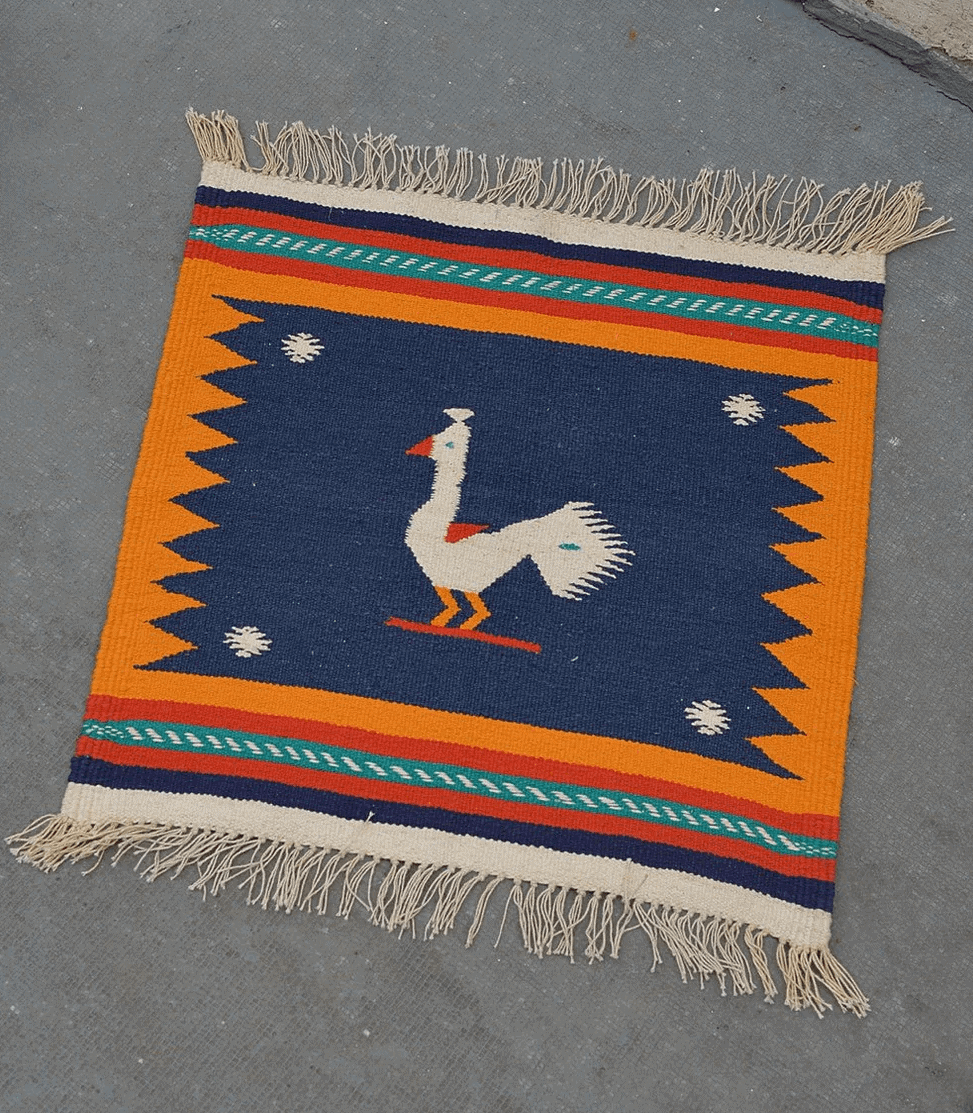
The art of weaving dhurries is deeply rooted in Indian tradition, with many rural communities relying on this craft as a source of income. Weaving techniques and designs vary across regions, showcasing the diversity of India’s artistic heritage. Traditional dhurries often feature geometric patterns, stripes, and motifs inspired by local flora, fauna, and architecture. Some of the more intricate designs include representations of the Tree of Life, war emblems, birds, and flowers. The skill required to create complex patterns is immense, and some designs can take several days to complete.
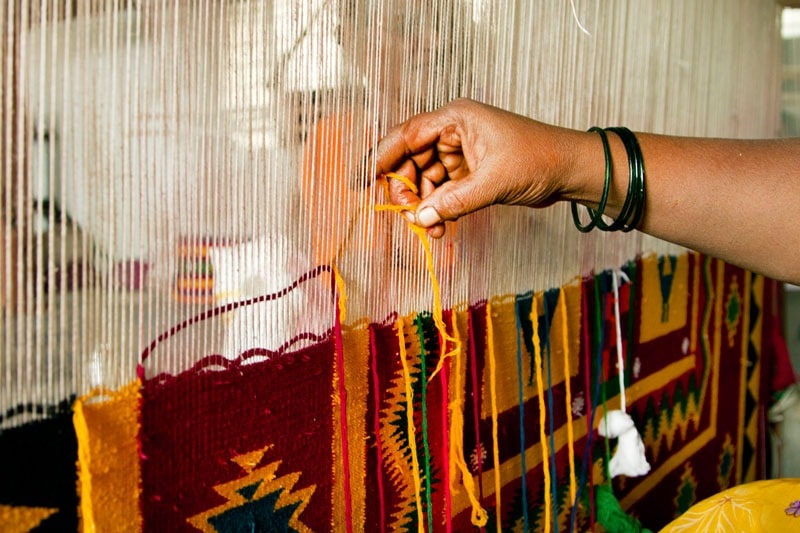
The process of weaving dhurries typically involves the use of a loom. Different regions employ distinct weaving techniques. Traditional colours such as fiery orange, indigo, crimson, and green were historically used, inspired by the vibrant attire of Indian communities. Today, modern palettes have expanded to include a broader range of colours to cater to contemporary tastes.
Regional Specialties in Indian Dhurries
India’s diverse cultural landscape is reflected in the regional variations of dhurries.
- Rajasthan, for example, is renowned for its pit loom dhurries, which feature bold patterns and bright colours. Known for its geometric patterns and pastel hues, Jaipur dhurries often feature intricate motifs like chevrons and diamonds, woven in vibrant contrasts that reflect Rajasthan’s royal artistry. Beyond Jaipur, Rajasthan’s dhurries stand out with earthy tones, minimalist patterns, and a rustic appeal that mirrors the desert landscape, often crafted using camel wool blends.
- Haryana: Titled the ‘City of Weavers,’ Panipat in Haryana specialises in dense, flat weaves, offering durable and reversible dhurries with bold stripes, zigzags, and traditional floral designs. Haryana is also famous for its Punja dhurries, which are crafted by women in villages as a form of recreation. These dhurries are versatile and often used as bedsheets or flooring.
- Madhya Pradesh: The dhurries of Madhya Pradesh, on the other hand, are celebrated for their durability and vivid colours.
- Karnataka, particularly the Navalgund taluk, is another significant centre for dhurrie production. Known as jamkhana in the native Kannada language, Navalgund dhurries are recognised for their distinctive geometric patterns and vibrant colours. This region has even earned a geographical indication (GI) tag for its unique dhurrie-making tradition.
- Uttar Pradesh dhurries, particularly from the Mirzapur region, are known for their fine weaves and intricate floral and paisley designs, showcasing the influence of Mughal aesthetics.
- Gujarat: Dhurries from Gujarat incorporate tribal artistry with vibrant, abstract patterns, reflecting the region’s nomadic traditions and vibrant cultural expressions.
- Andhra Pradesh: Coastal inspirations define Andhra Pradesh’s dhurries, with bright, sunny colours and unique ikat patterns, created through a labour-intensive tie-dye process on the yarn before weaving.
- Punjab: Known for vibrant colours and sturdy dhurries, Punjab’s tradition features bold geometric patterns and floral motifs, woven on pit looms using thick cotton or wool to suit colder climates.
- Himachal Pradesh: Himachal dhurries reflect simplicity, with earthy tones and subtle patterns inspired by nature. Woven on portable looms, they use wool and cotton blends for warmth and durability.
Similarly, many other regions in India contribute their unique styles to India’s dhurrie heritage. In many states, dhurries are an essential part of a bride’s dowry, symbolising cultural and familial ties.
The Intricate Process of Making a Handwoven Dhurrie
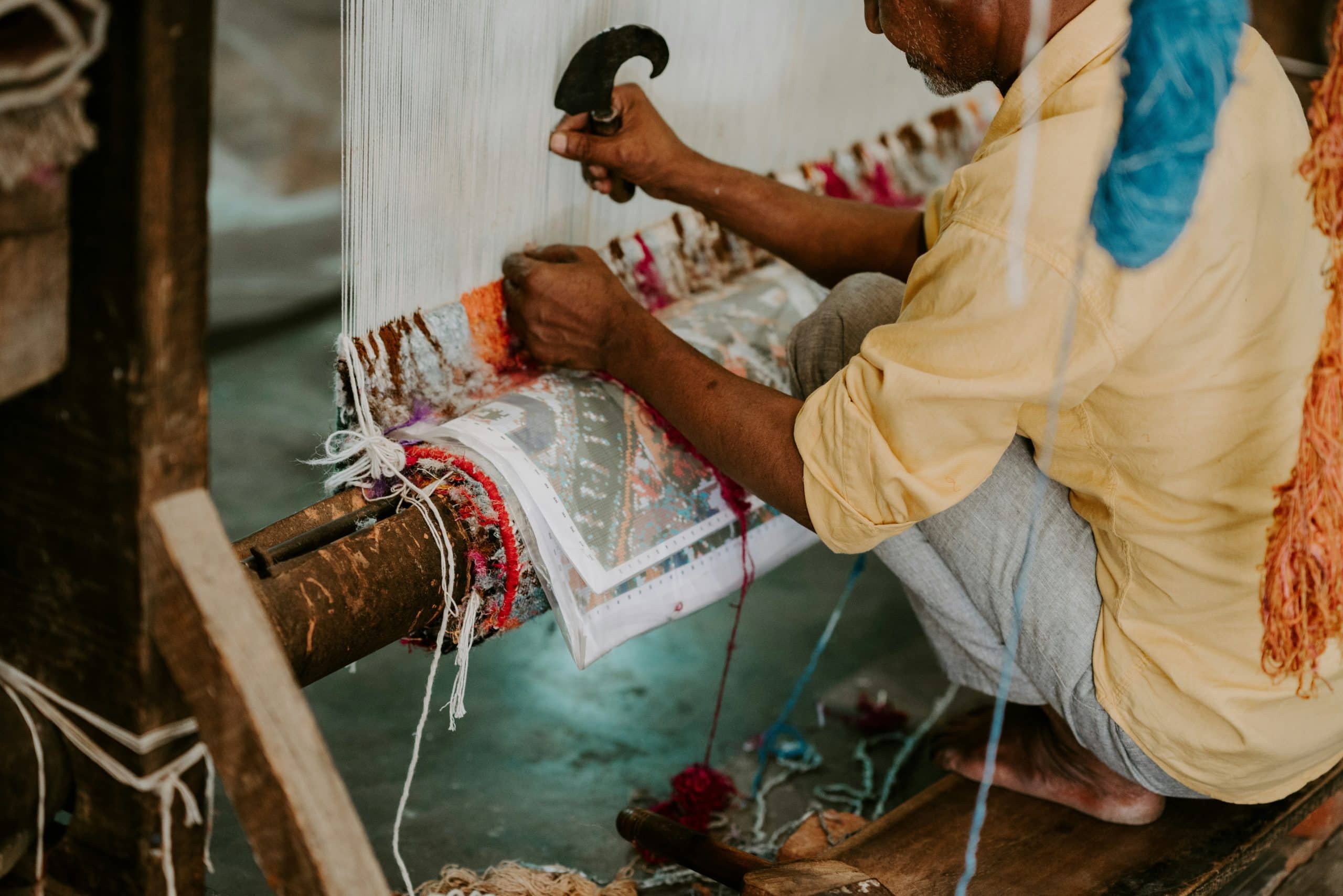
Creating a dhurrie is a meticulous process that requires skill, precision, and patience. The journey begins with the selection of materials, which could range from cotton and wool to silk and other natural fibres. The threads are dyed in vibrant hues, often using traditional methods that employ natural dyes. The weaving itself is done on looms, with different regions employing distinct techniques.
For instance, pit looms involve the weaver sitting in a pit and using their feet to control the loom. The panja technique, named after the claw-like tool used, allows for intricate patterns and tight weaving. These techniques ensure that each dhurrie is a work of art, with designs that can range from simple stripes to elaborate motifs inspired by local culture and nature. The time required to weave a dhurrie depends on its complexity, with some intricate designs taking several days to complete.
Modern Adaptations of Dhurries for Contemporary Homes
While dhurries remain rooted in tradition, they have also evolved to suit modern lifestyles. Contemporary dhurries feature a wide range of patterns, colours, and materials, making them versatile enough to complement any home decor. They are available in various sizes, from small table covers to large floor coverings, and are suitable for diverse uses, including meditation mats and wall hangings. The lightweight nature of dhurries makes them easy to transport and maintain, further adding to their appeal.
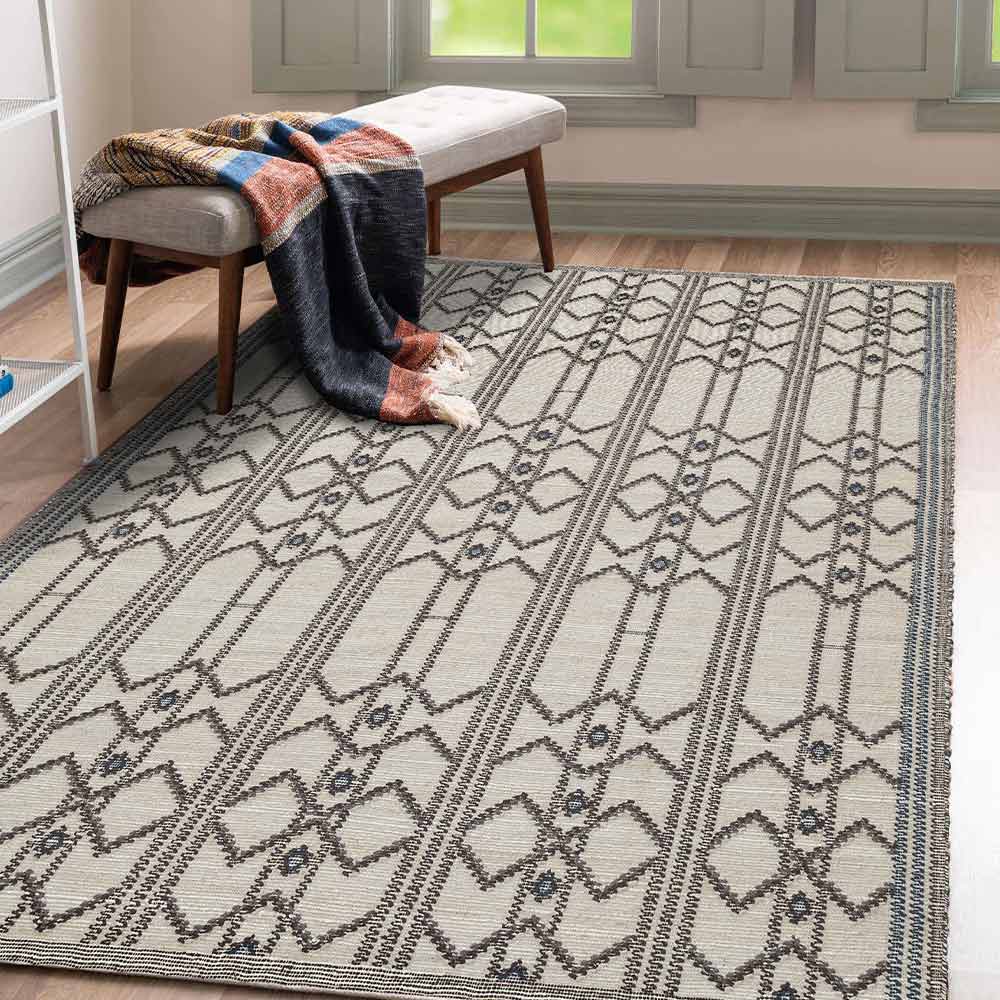
In recent years, dhurries have gained international recognition as sustainable and eco-friendly home furnishings. Their low cost of maintenance and resistance to pests like silverfish make them an attractive alternative to conventional carpets. Cotton dhurries, in particular, are prized for their ability to keep homes cool in summer and warm in winter, making them suitable for all seasons.
Supporting Artisan Communities Through Dhurrie Craftsmanship
The tradition of weaving dhurries is not just an art form but also a vital economic activity for many rural communities in India. By preserving and promoting this craft, weavers ensure the survival of a rich cultural heritage while earning a livelihood.
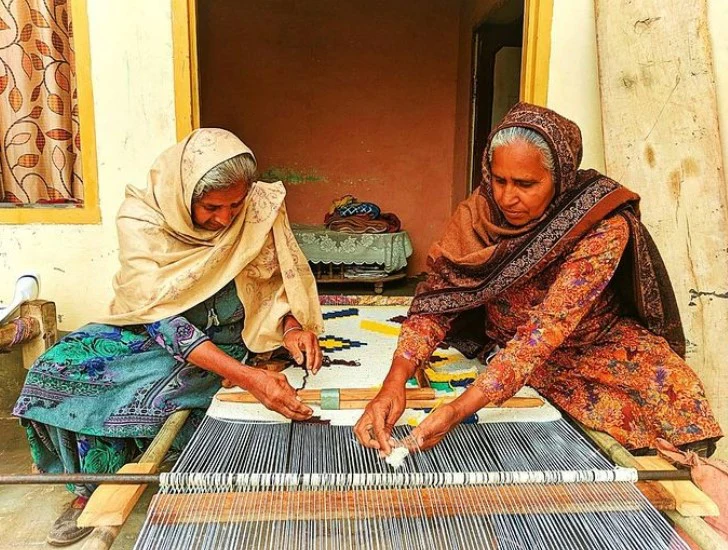
For many rural families, weaving dhurries is a way of life, passed down through generations. It promotes a sense of community and cultural pride while providing economic stability. The intricate patterns and vibrant colours of dhurries are a testament to the skill and creativity of Indian artisans, who continue to innovate while staying true to their roots.
Practical Uses of Indian Dhurries in Daily Life
Dhurries are incredibly versatile and can be used in various ways depending on their size, design, and material. Small dhurries are often used as table covers for flower pots, telephone stands, or other decorative items. Medium-sized dhurries are popular as meditation mats, while larger ones are used as floor coverings at political or social events. Their portability and ease of maintenance make them ideal for a range of settings.
Where to Buy Authentic Indian Cotton Dhurries
Dhurries are produced across India, from Darjeeling to Gujarat and Chennai, with each region adding its unique touch of local colours and geometric designs. Renowned retailers like Rug Weave and Jaipur Rugs offer a wide range of dhurries, catering to traditional and modern tastes. Visitors to India can also explore local markets in Rajasthan, Haryana, Madhya Pradesh, and Karnataka to find authentic, handcrafted dhurries that capture the essence of Indian artistry.
Why Indian Dhurries Are Timeless Treasures
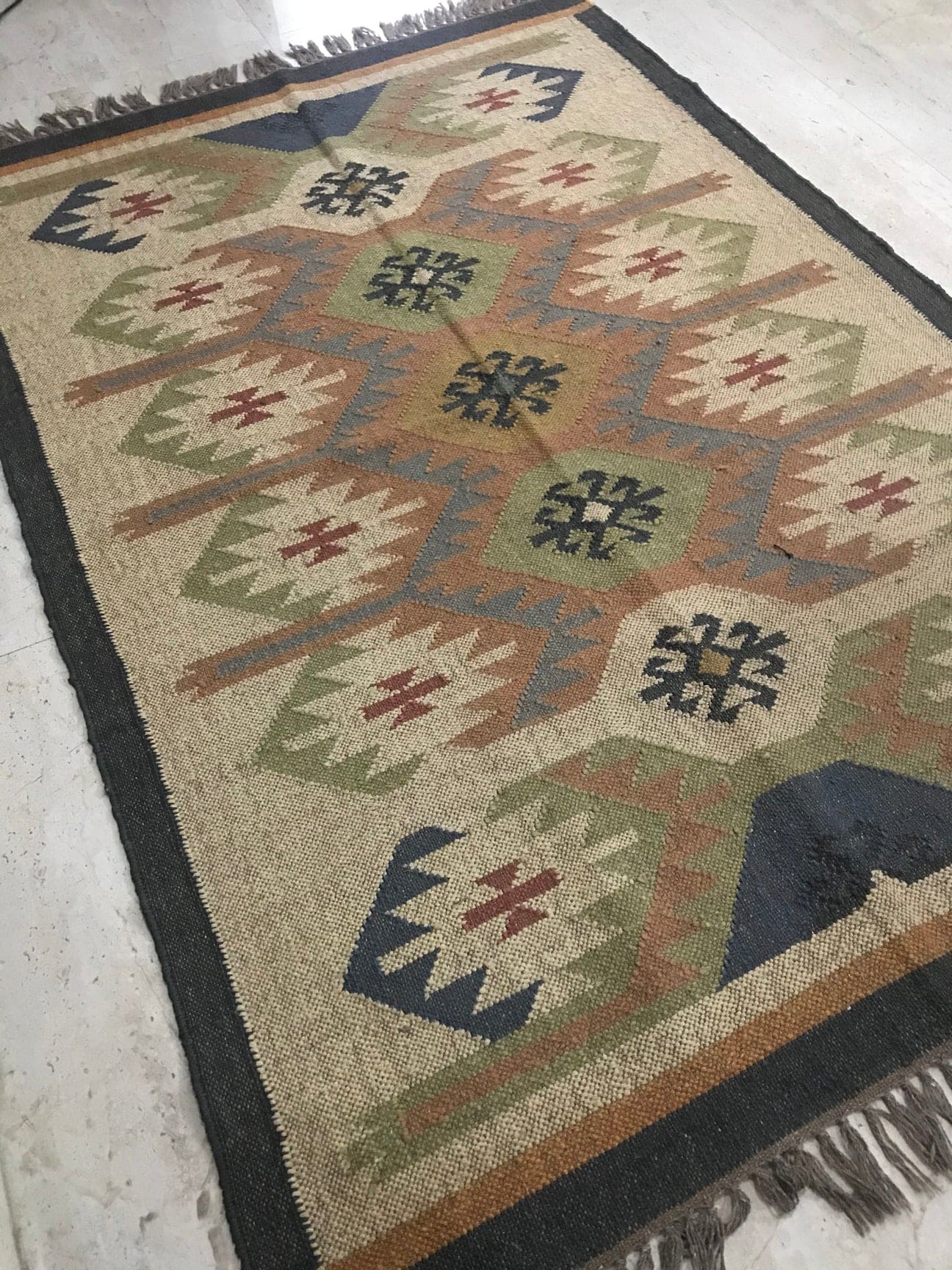
The dhurrie is a symbol of India’s cultural heritage, artistic ingenuity, and communal harmony. From its historical roots to its modern adaptations, the dhurrie remains a cherished tradition that continues to inspire and captivate. Whether you’re looking for practical flooring or artwork that tells a story, a dhurrie is a timeless addition to any home. By embracing this ancient craft, we celebrate the rich tapestry of Indian culture and support the artisans who keep this tradition alive.
Read more – Discover Your India