Protected: Beyond the Spa: Why Sterling Sees Destination Wellness as Hospitality’s Next Growth Story
ByTT Bureau
2026-07-30
As travellers seek better sleep, lower stress, nature and renewal, Sterling is transforming wellness from a resort amenity into a compelling reason to choose the destination itself
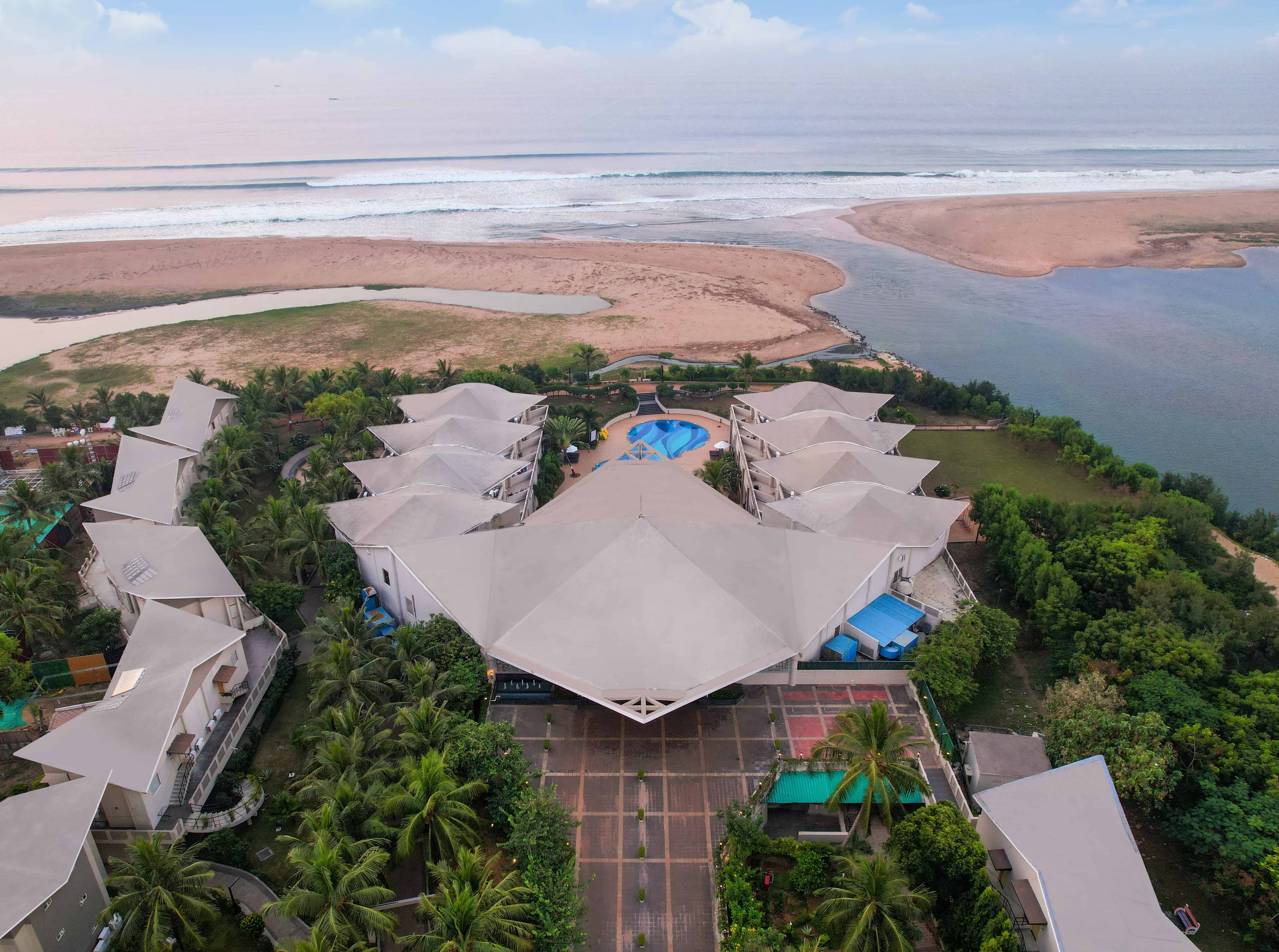
Wellness has quietly become one of the most powerful forces reshaping travel. Not because travellers are simply spending more time in spas, but because they are redefining what they want from a holiday.
Today’s guest is not always looking for escape in the conventional sense. Increasingly, they are looking for restoration: better sleep, lower stress, time away from screens, healthier food, movement, mindfulness, nature and experiences that feel authentic rather than manufactured.
For hospitality, this is a significant shift. Wellness can no longer be treated only as a facility tucked inside a resort. It is becoming part of the destination decision itself.
The scale of the opportunity reflects this change. The Global Wellness Institute estimates that wellnesstourism expenditure reached US$894 billion in 2024. Yet the more important story is not only economic. It is behavioural. Guests are no longer merely buying therapies; they are buying outcomes.
From Treatment to Transformation

A decade ago, a spa visit on holiday often meant a massage after a day of sightseeing. Today, travellers may be seeking relief from burnout, a digital detox, improved sleep, greater mobility, emotional balance, mindful nutrition or simply uninterrupted time with family.
This explains why the language of wellness travel has expanded so dramatically. Ayurveda and yoga now sit alongside breathwork, sound healing, forest bathing, sleep programmes, nature immersion, mindful cuisine and longevity. Wellness has moved beyond massage into lifestyle.
It has also moved beyond the wellness traveller as a narrow category. A guest may not book an entire holiday around wellness, but may still want to eat better, sleep more deeply, practise yoga, walk through a forest or experience a locally rooted therapy while travelling. That makes wellness relevant not only to specialist retreats, but to the entire hospitality industry.
The Destination is Part of the Therapy
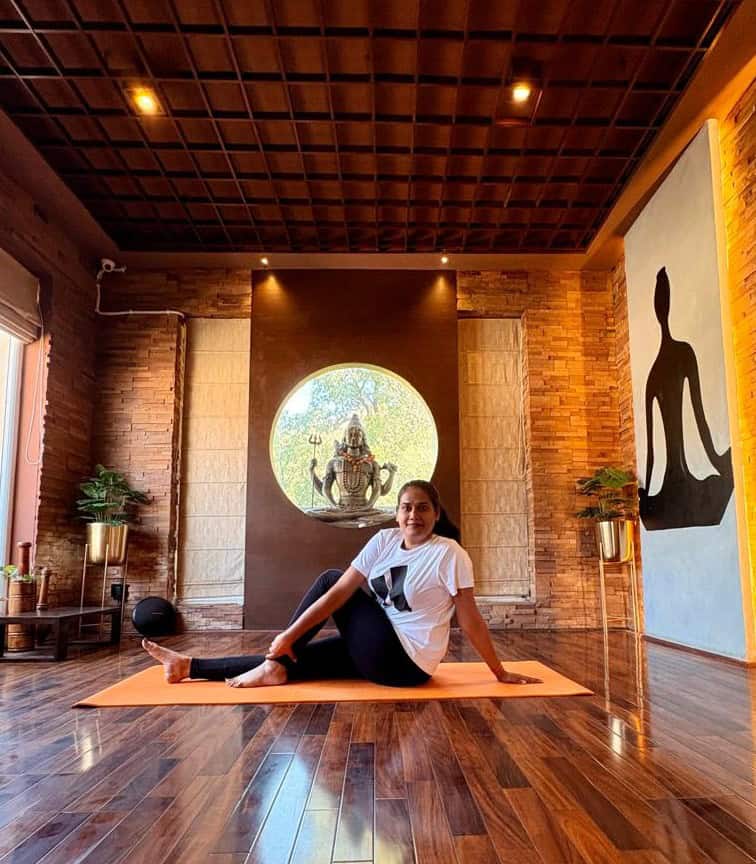
The future of resort wellness will not be built by placing the same treatment menu in every location. It will be built by recognising that every destination has its own healing intelligence.
A coastal retreat should not feel like a hill resort with a view of the sea. A forest lodge should not offer wellness as though the forest were merely a backdrop. The landscape, climate, food, culture and local traditions must shape the experience.
In Puri, the rhythm of the coast naturally lends itself to salt-based rituals, early-morning movement and the restorative quality of the sea. In Kerala and the Western Ghats, wellness draws from Ayurveda, spices, rainforests and a slower relationship with nature. Wayanad invites plantation walks, botanical experiences and forest immersion; Munnar suggests tea-led rituals and unhurried contemplation among the hills.
The forest creates a different rhythm. In destinations such as Pench, Tipeshwar and Ranthambore, wellness can complement the intensity of a safari through stretching, foot recovery, mindful breathing and quiet time in nature. In Udaipur, the lakes, the Aravallis and the region’s traditional treatments can inspire an entirely different expression of restoration.
The principle is simple: the setting should not merely surround the wellness experience. It should participate in it.
SUBUTHI: One Philosophy, Many Expressions
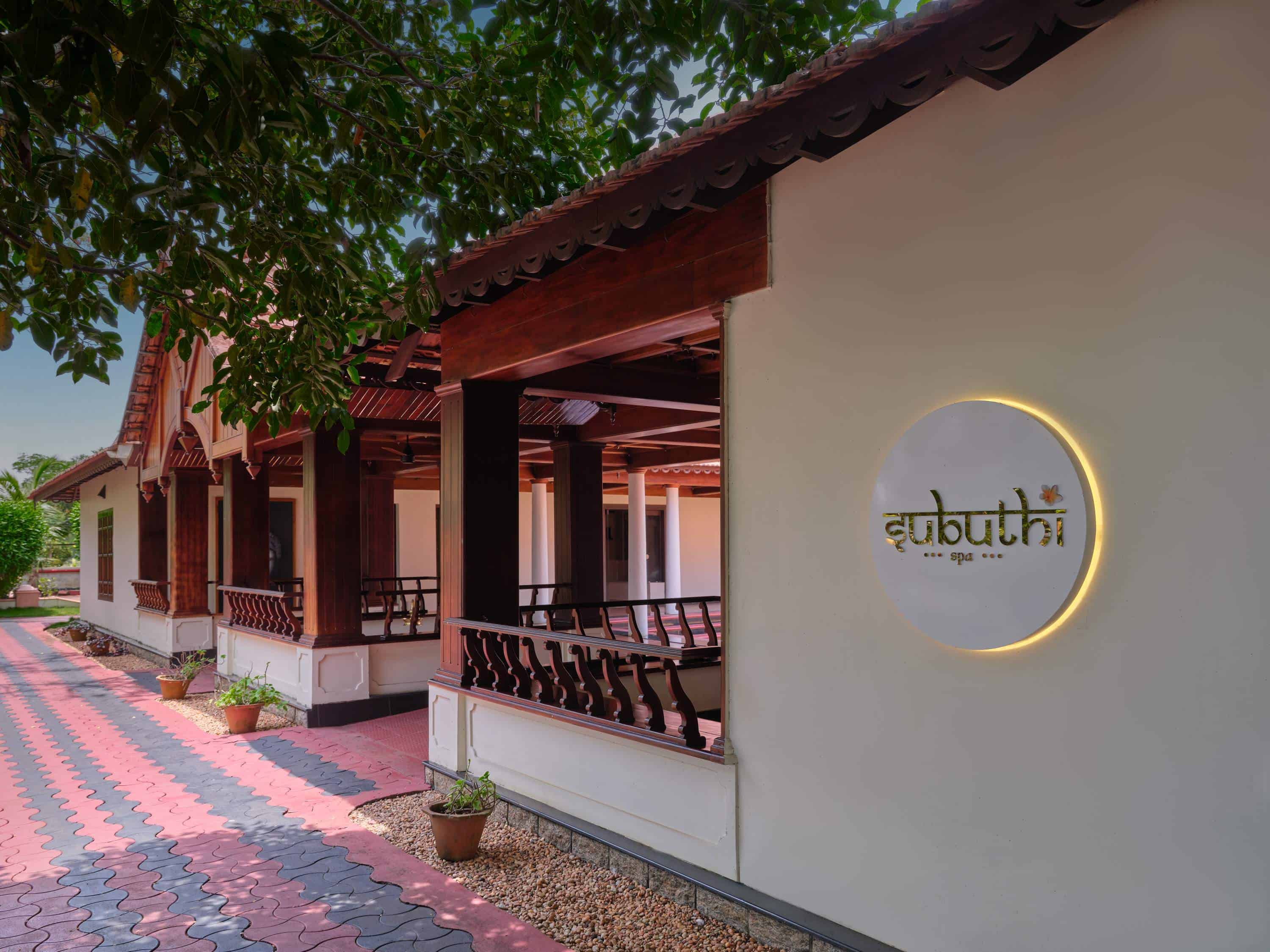
This is the thinking behind Subuthi, Sterling’s wellness platform. Its name draws from “Su”, meaning good, and “Buthi”, meaning mind. Across 35 Sterling resorts, Subuthi combines Ayurvedic and international therapies with signature and localised treatments, while allowing each destination to express wellness in its own way.
The intention is not to turn every holiday into a prescriptive retreat. It is to make wellbeing an intuitive part of the stay. For one guest, that may mean a traditional Ayurvedic therapy. For another, it may be outdoor yoga, a nature walk, nourishing regional food or a quiet hour without a device.
Structured wellness journeys at Rishikesh, Wayanad and Alleppey take this idea further by bringing therapies, movement, food and the character of the destination together over several days. The movement from a single appointment to an integrated journey is important: it shifts wellness from an ancillary service to a meaningful travel purpose.
Why this matters for Hospitality

For the hospitality industry, destination wellness is more than a passing consumer trend. It can create new reasons to travel, deepen the guest’s engagement with a resort and open opportunities beyond the traditional holiday calendar.
A beach destination can attract travellers seeking calm outside its peak season. A hill resort can become relevant for sleep, movement and digital-detox breaks. A forest property can combine nature, recovery and mindful activity. Wellness can also encourage longer stays, repeat visits and more purposeful packaging.
But the opportunity will be weakened if wellness becomes another layer of marketing vocabulary. Authenticity matters. A programme must be credible, responsibly delivered and appropriate to the guest. Traditional practices must be treated with respect, and therapeutic claims must never run ahead of expertise.
Hospitality is at its best when it makes people feel understood. The same is true of wellness. The experience should not overwhelm the guest with complexity; it should help them feel better in ways that are simple, relevant and human.
The Next Chapter

In the years ahead, we will see more holidays shaped around specific needs: digital-detox weekends, sleepfocused stays, rainforest and spice resets, mountain retreats, coastal renewal, active-ageing breaks and family wellness journeys. These are not indulgences detached from modern life. They are responses to it.
The brands that lead this space will be those that move beyond facilities and design the entire stay around wellbeing: the room and its sleep environment, the food, the pace of the itinerary, access to nature, opportunities for movement and the emotional quality of service.
The future of wellness hospitality will not be measured by the size of the spa or the length of the treatment menu. It will be measured by how deeply a destination helps guests reconnect—with nature, culture, family and themselves.
Because the most memorable wellness journeys are not created within four walls. They begin with the destination itself.
About the Author
Vikram Lalvani is the Managing Director and CEO of Sterling Holiday Resorts Limited. With over 26 years of leadership experience across hospitality, leisure and technology-enabled services, he is recognised for driving business transformation and strategic growth. His approach centres on destination-led experiences, evolving traveller needs and building a more diversified, experience-focused leisure hospitality brand.
Read more – Lifestyle, Weddings, And Wellness