5 Most Beautiful Flower Fields Around the World
ByTT Bureau
2024-04-30
Discover the world’s most breathtaking flower fields! These stunning landscapes are a feast for the eyes and soul.

As the spring season blooms, meadows worldwide are draped in a vibrant tapestry of colours. There’s no better time to travel than these months, with its ideal weather and stunning floral displays in certain countries where spring truly blossoms.
During a brief magical period in the Northern Hemisphere’s springtime, fields of tulips, sunflowers, lavender, and other flowers burst into spectacular landscapes. The vivid hues create a painterly scene that every flower lover and photographer dreams of capturing. Choose your favourite flower field and start planning your next journey to witness these extraordinary blooms.
Monet’s Garden- France
For anyone captivated by the Impressionist movement, or simply in love with gardens, a visit to Monet’s Garden at Giverny is a profound journey into the world where Claude Monet painted some of his most famous works. Travellers deeply interested in exploring historical and picturesque locales can visit Giverny for an immersive experience of the life and inspirations of Monet.
Historical Backdrops
Located in the Normandy region of France, just about 75 kilometres from Paris, the village of Giverny houses the famous gardens and home of Claude Monet, one of the founders of French Impressionist painting. Monet discovered the village while looking out of a train window and decided to move there in 1883.
Over the years, he designed and cultivated the gardens, drawing inspiration from the serene beauty to create his esteemed water lilies series among other works. After Monet died in 1926, his family maintained the property, eventually opening it to the public in 1980 after significant restoration.
The Floral Palette of Giverny
Monet’s artistic vision extends into the layout and variety of plants in his gardens. The property is divided into two main parts: the “Clos Normand” and the “Water Garden”. The Clos Normand fronts the house with its kaleidoscope of colours and shapes, designed around central alleys leading to the main doorway.
Here, the beds mix and match flowers of varying heights and colours, creating a living painting that changes with the seasons.
The Water Garden, inspired by Japanese gardens that Monet knew from prints he collected, features the famous Japanese bridge covered with wisterias, weeping willows, bamboo wood, and the iconic pond with water lilies, captured in his paintings.
Best time to visit
The garden blooms all season, but each part of the year offers a different experience. Spring (April to May): The garden awakens with the blooms of tulips, irises, and cherry blossoms, providing a fresh palette of colours.
The best time to visit would be late spring or early summer when the flowers are in full bloom and the crowds are smaller than the peak summer tourist season.
Activities for Visitors
Visiting Monet’s House and Gardens is not just about admiring the beauty but also engaging in unique activities:
- Guided Tours: Learn about the history of Monet’s life in Giverny and his approach to gardening which influenced his art.
- Art Classes: Participate in drawing and painting classes offered on-site, allowing visitors to try their hand at capturing the beauty of the gardens just as Monet did.
- Photography: Early mornings or late afternoons are perfect for photographers looking to capture the ideal lighting over the gardens and pond.
- Special Events: The Foundation Claude Monet organizes various events throughout the year, including the Rendez-vous aux Jardins, where special activities and workshops are offered.
Visiting Monet’s Garden at Giverny offers more than a visual feast, it’s a step back into the artistic process of one of the world’s most revered painters. Walking through the gardens, one can almost see the brush strokes and colour choices Monet made as he translated the natural beauty of his surroundings onto canvas.
This place is not only a must-visit for art lovers but also for those who appreciate the serene allure of a beautifully curated garden.
Valley of Flowers- India
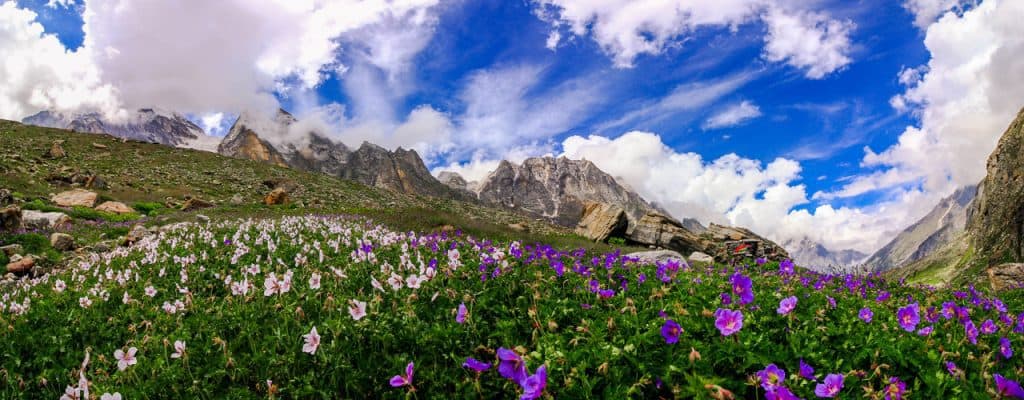
Located high in the West Himalayas of Uttarakhand, India, the Valley of Flowers National Park is a breathtaking destination renowned for its endemic alpine flowers and diverse wildlife. Travellers in pursuit of the most breathtaking natural wonders, the Valley of Flowers offers more than just stunning vistas, it serves as a spiritual sanctuary amidst the pristine beauty of nature.
Historical Backdrops
The Valley of Flowers was relatively unknown to the outside world until 1931. Legend has it that three British mountaineers, led by Frank S. Smythe, stumbled upon the valley quite by accident after a successful expedition to Mount Kamet. Overwhelmed by the valley’s beauty, Smythe returned later to study and document its flora, eventually publishing a book titled “The Valley of Flowers,” which brought the area international recognition. Recognized by UNESCO as a World Heritage Site, it is now revered as much for its delicate ecosystems as its stunning landscapes.
Floral Extravaganza
The real stars of the Valley of Flowers are, without doubt, the flowers themselves. From late June to early September, the valley transforms into a carpet of vibrant colours spread across 87.5 square kilometres. The valley is home to about 300 different varieties of alpine flowers including the famed blue Primula, the Himalayan blue poppy, and the Brahma Kamal, Uttarakhand’s state flower. This time of year is not just about the visual splendour but also the aromatic scents that fill the air—a truly multisensory experience.
Best Time to Visit
The optimal time to visit the Valley of Flowers is between July and early September. During these months, the monsoons bring the dry landscape to life, initiating the blooming of flowers across the entire valley. While the trek can be challenging during the monsoon due to slippery paths and occasional landslides, the scenic beauty and vibrant flora make the journey worthwhile.
Activities for Visitors
Visiting the Valley of Flowers is much more than a typical trek:
- Trekking: The main activity is trekking through diverse terrains, starting from Govindghat, moving up to Ghangaria, and finally reaching the valley. Each step offers panoramic views and encounters with nature that are both rare and profound.
- Photography: For photography enthusiasts, the valley offers endless opportunities with its sweeping landscapes and detailed macro shots of exotic flowers and occasionally wildlife.
- Flora and Fauna Exploration: Enthusiasts can have a field day identifying various species of flowers, birds, and butterflies. The region is also home to animals like the Asiatic black bear, snow leopard, and blue sheep.
- Cultural Interaction: The trek passes through local villages and provides insights into the culture of the native communities, including their lifestyle, cuisine, and traditions.
- Visit Hemkund Sahib: A challenging trek from Ghangaria leads to Hemkund Sahib, a significant pilgrimage site for Sikhs that boasts a picturesque lake and a serene Gurdwara.
Each visit contributes to the conservation efforts and awareness, supporting the park to maintain its natural beauty for future generations. For the avid traveller, this journey is a profound chapter in the exploration of India’s natural heritage.
Butchart Gardens- Canada
Tucked away on Vancouver Island in British Columbia, Canada, the Butchart Gardens are a testament to the transformative power of human vision and nature combined. For travellers who appreciate the tranquillity and beauty of botanical gardens, a visit to Butchart Gardens is a must-see highlight.
Historical Backdrops
The history of Butchart Gardens is a story of transformation from a barren limestone quarry into a flourishing garden. The venture began in the early 20th century when Jennie Butchart, the wife of cement magnate Robert Butchart, decided to convert the worked-out quarry near their home into a beautiful garden.

Inspired by her travels and passion for gardening, Jennie meticulously designed the space, which began with the Sunken Garden, followed by the Japanese Garden, the Italian Garden, and the fragrant Rose Garden.
Floral Splendour
The Butchart Gardens cover over 55 acres and showcase a diverse range of plants and flowers that change with the seasons, ensuring that every visit, regardless of timing, is unique. Here’s what to expect:
- Spring: The gardens awaken with colourful tulips, daffodils, and flowering trees, creating a vibrant tapestry of hues.
- Summer: Full bloom takes over with roses, annuals, and perennials offering an array of colours and fragrances. The summer months also bring the blooming of exotic and rare flowers in the Mediterranean Garden.
- Autumn: Chrysanthemums and Japanese maples showcase their rich colours, and the air is crisp with fall scents.
- Winter: Even in the cold months, the garden remains beautiful. Decorative lights and greenery make it a festive destination during the holiday season.
Best Season to Visit
To fully appreciate the dynamic beauty of Butchart Gardens, timing your visit can enhance the experience. Spring is ideal for witnessing the awakening of the gardens, with fewer crowds and mild weather.
Activities for Visitors
Butchart Gardens is not only about walking and admiring the plants, it also offers a variety of activities which are as follows:
- Boat Tours: Available in the summer, these tours provide a unique view of Tod Inlet and the resident wildlife.
- Night Illuminations: During the summer nights, the gardens light up with enchanting illuminations, and on Saturday nights, fireworks light up the sky accompanied by music.
- Seasonal Events: Themed events like the Magic of Christmas feature carolers, ice skating, and festive decor.
- Dining: The Dining Room Restaurant offers afternoon teas and fine dining with views over the Italian Garden, providing a perfect setting for a memorable meal.
You could be a garden enthusiast, a photographer, or simply seeking a tranquil escape – Butchart Gardens provides a rich, sensory experience in every season. It remains a vivid reminder of what can be achieved when vision, effort, and nature converge.
Mainau Island- Germany
Mainau Island, located in the stunning Lake Constance (Bodensee) in Germany, is more than just a botanical garden, it is a vivid tapestry of colours, scents, and history. Known as the “Island of Flowers,” a visit to Mainau is an enchanting escape into a world where nature and human creativity harmoniously intertwine.
Historical Backdrops
Mainau’s rich history adds depth to its natural beauty. Originally owned by the Teutonic Knights in the 13th century, the island saw various phases of development under different noble families. In the 19th century, it was Grand Duke Frederick I of Baden who began the island’s transformation into a horticultural masterpiece.

However, it was under Count Lennart Bernadotte, a descendant of the Swedish royal family, who acquired the island in the 1930s, that Mainau truly blossomed into the floral and horticultural wonder it is today. His vision for the island focused on botanical education and conservation, a legacy that continues to thrive.
Floral Spectacles
Mainau Island spans about 45 hectares and is renowned for its year-round floral splendour. The gardens are meticulously designed to ensure a continuous display of blooms.
- Spring showcases over a million tulips, hyacinths, and daffodils, creating vibrant carpets of colour. The Orchid Show, with thousands of exotic orchids, is particularly spectacular.
- Summer brings roses to the forefront, with over 500 varieties in the Rose Garden. The Italian Rose Garden combines architectural beauty with the elegance of floriculture.
- Autumn sees the Dahlia Garden take centre stage with around 12,000 dahlias in bloom, offering a fiery display of reds, yellows, and oranges.
- Winter might seem quieter, but the Palm House remains a green tropical world even in the coldest months, with its collection of around 1,000 orchids and other tropical plants.
Best Time to Visit
The best time to visit Mainau depends on personal preferences for floral displays. For tulip lovers, spring is ideal. If you prefer roses and lush greenery, then early to mid-summer is perfect. For those who love the rich colours of late blooms, visiting in early autumn to see the dahlias is advisable. Each season offers a unique charm, ensuring Mainau is a year-round destination.
Activities for Visitors
Mainau Island is not just about passive flower viewing; it offers a variety of engaging activities.
- Butterfly House: One of the island’s highlights is the Butterfly House, where visitors can wander among hundreds of free-flying exotic butterflies in a tropical setting.
- Guided Tours: Learn about the island’s flora, fauna, and history with expert-guided tours that provide deeper insights into Mainau’s natural and cultural heritage.
- Boat Tours: Take a scenic boat ride around Lake Constance to see Mainau Island from a different perspective.
- Children’s Activities: Mainau offers numerous activities for younger visitors, including a petting zoo, pony rides, and adventure playgrounds, making it family-friendly.
- Seasonal Festivals and Events: Throughout the year, Mainau hosts various events, including concerts, flower shows, and themed festivals, adding to the visitor experience.
Mainau Island promises a memorable escape. Each visit contributes not just to personal fulfilment but also supports the island’s ongoing environmental and educational missions.
Bluebonnet Fields- Texas
For those enchanted by the allure of wildflowers, a visit to the bluebonnet fields in Texas offers a vibrant spectacle that epitomizes spring in the Lone Star State. Dedicated to seeking out picturesque landscapes, a journey through these iconic fields is not only a visual delight but also a deep dive into the cultural heart of Texas.
Historical Backdrops
Bluebonnets are not just wildflowers, they are an integral part of Texas’ identity. Officially designated as the state flower in 1901, bluebonnets have a rich history in Texas folklore and are celebrated each spring for their beauty and their role in the state’s ecological system.

The most common type found during springtime wanders is the Texas bluebonnet (Lupinus texensis), known for its lush, vibrant blue colour.
Best Season to Visit
The optimal time to visit the bluebonnet flower fields is at the start of May when the blooms are at their peak. This period not only promises the most vibrant displays but also the best weather for flower viewing—mild temperatures and plenty of sunny days. The season is brief, lasting only until early May, so timing your visit is crucial to catch the full glory of the blooms.
Activities for Visitors
Exploring the bluebonnet fields offers more than just sightseeing; it’s a chance to engage in unique and memorable activities:
- Photography: The fields provide perfect scenes for photography enthusiasts. Many visitors and professionals alike flock to these fields to capture the quintessential Texas spring landscape. Early morning or late afternoon provides the best light for photos.
- Picnicking among the Bluebonnets: Many areas like the Lady Bird Johnson Wildflower Center and various state parks allow visitors to enjoy a scenic picnic among the flowers, making for a perfect family or romantic outing.
- Bluebonnet Festivals: Towns such as Chappell Hill, Burnet, and Ennis host annual Bluebonnet festivals, which include parades, arts and crafts, music performances, and local food. These festivals offer a deep dive into local traditions and community spirit.
- Scenic Drives and Hiking: Routes like the Bluebonnet Trail in Ennis or the Willow City Loop near Fredericksburg are famous for their scenic drives. Hiking trails in state parks and protected lands also offer immersive experiences to enjoy the flowers and the local wildlife.
For anyone planning a spring visit to Texas, aligning your trip with the blooming of the bluebonnets is a must. It’s not only a chance to see the state at its most beautiful but also to participate in a longstanding Texan tradition that celebrates the arrival of spring—a truly unforgettable experience.
Hallerbos Bluebell Forest- Belgium
Tucked away near Halle, just a short drive from Brussels in Belgium lies a magical forest known as Hallerbos. Renowned for its enchanting carpet of bluebells that bloom each spring, this forest offers a fairy-tale experience that captivates photographers, nature lovers, and wanderers alike.
For travellers with a penchant for unique natural phenomena, the journey through Hallerbos is both mesmerizing and unforgettable.
Historical Backdrops
Hallerbos, or Bois de Hal in French, holds historical significance that dates back to ancient times. It was once part of the Silva Carbonaria, the vast charcoal forest that stretched across central Belgium.
Over centuries, the forest has seen various uses and transformations, including being a hunting ground for Belgian royalty. Today, it is cherished both for its natural beauty and its historical roots, offering visitors a glimpse into Belgium’s lush, verdant heritage.
Floral Spectacle
The star attractions of Hallerbos are undoubtedly the bluebells, known scientifically as Hyacinthoides non-scripta. Each spring, usually from mid-April to early May, the forest floor transforms into a stunning sea of blue as these flowers bloom in unison. The timing can vary slightly depending on the weather conditions leading up to the season.
Walking through Hallerbos during the bluebell season is like stepping into a living painting. The vivid blue of the flowers contrasts beautifully with the fresh green of new beech leaves, creating a breathtaking palette of colours that feels almost surreal.
Best Time to Visit
The prime time to visit Hallerbos is during the brief bluebell blooming season in the spring. The exact timing can fluctuate each year, so it’s wise to check local updates for the peak bloom period. Early in the morning or later in the afternoon are the best times to visit to avoid the crowds and to catch the best light for photography.
Activities for Visitors
Hallerbos offers several unique activities that make a visit even more memorable:
- Photography Walks: Capture the stunning beauty of the bluebell carpet under the towering beech trees. Photography enthusiasts will find endless inspiration in the interplay of light, shadow, and colour.
- Guided Tours: During the bluebell season, free guided tours are often available, providing insights into the forest’s ecology, history, and the lifecycle of the bluebells.
- Hiking and Biking: Hallerbos has well-marked trails for both walking and cycling. These paths offer a great way to explore the larger area of the forest and enjoy its tranquillity and diverse wildlife.
- Picnicking: Although picnicking among the bluebells is discouraged to protect the delicate flowers, there are designated areas where visitors can enjoy a meal surrounded by the forest’s natural beauty.
It’s important to note that Hallerbos is a protected area, and visitors are asked to stay on the paths to preserve the bluebells and other flora. The popularity of the forest, especially during the blooming season, has led to increased efforts to protect this spectacular site through visitor education and regulated access.
Hanging Gardens of Kalba- UAE
The Hanging Gardens of Kalba, a hidden gem in Sharjah’s enclave of Kalba, UAE, presents a fascinating blend of horticultural artistry and ecological dedication. For travellers like myself who cherish both botanical beauty and conservation, the Gardens provide an enriching experience that speaks to the soul of nature enthusiasts.
Historical Backdrops
Developed as part of a larger initiative to enhance the natural beauty and biodiversity of the region, the Hanging Gardens of Kalba are a testament to innovative ecological preservation. The project aims to attract tourists while promoting environmental awareness and sustainability. The gardens skillfully integrate modern landscape techniques with the natural scenery of Kalba, creating a sustainable attraction that enhances the local ecosystem.
Floral Spectacle
The Gardens flaunt a variety of exotic and indigenous plants, arranged to simulate a lush, cascading tapestry of greenery and blooms. Among the highlights are several species of vibrant orchids and fragrant herbs that are both visually stunning and aromatic. The design encourages a naturalistic feel, allowing visitors to immerse themselves fully in a botanical wonderland.
Best time to Visit
Visiting during the cooler months from October to March is ideal. The weather is pleasant, which allows for extended periods of exploration without the harsh sun typical of the region.
Activities for Visitors
- Educational Trails: Explore trails designed to educate visitors about the local flora and fauna, enhancing understanding of the region’s natural environment and biodiversity.
- Bird Watching: Ideal for ornithologists and bird enthusiasts, the Gardens provide a prime location for observing various bird species, especially during migratory seasons.
- Photography Opportunities: With its abundance of exotic plants and stunning landscapes, the Gardens offer countless subjects for photography, from detailed close-ups of unique flowers to wide-angle scenic views.
Each flower field tells a story, reflecting the unique heritage and environmental attributes of its region. These spectacular flower fields remind us of the world’s diverse beauty and inspire us to preserve and cherish these natural habitats for future generations to witness and enjoy.
Read more: Latest